reSync @ Besides the Screen (Brazil)

reSync visited the Besides the Screen conference in Sao Paolo, see programme , & our web-flyer.

We know by now, that the social is also visually constructed, that there is a struggle for “The Right to look” and that social visions are projective, contested as well as fractal. What we want to look at is how centralized visual event streams and orchestrations are producing alternative visual splinters, fractions and specters that also travel in fragmentary ways across the globe, making visible new landscapes and hidden horizons of meaning, i.e. “specters” to the current system and “mode of projection”. While we
are interested in the geopolitical aesthetic of a (to be) pirated reality of the “non-territories” which resist the address of the ‚national (interest)‘ and subsumption to the current globalized society of control and spectacle, we also want to focus on the particular way the resistancies to the FIFA World Cup 2014 travel around and haunt the global imaginary and feed the non-aligned social intellect.

S.o.S. Logs, collectively rinsing our imaginaries by re-collecting spectacles, part Spectrals of the Spectacles.

Regularly we are subsumed under the projections that are attached to and bundled with the new “megaspectacles” (D. Kellner) of mediatized transmodern capitalism. These new specatacles arose from the fusion of spectacles as they existed all along and the new hyper-medial environments we are now increasingly immersed in. They constitute a paradox milieu for resampling prevalent images of globalism and they illustrate the circulation-economies and -aesthetics of ‘Societies of the Spectacle’ as well as ‘Societies of Control’ (or ‘Fear’) … or however you want to characterize current global society.

As the Post-Media Age also follows up on the cinematic modes of projection (and production) it is generalizing visual and medial projection as a form of subsumption (i.e. non-coercive power), naturally relying more and more on ‘moving images’, … in all possible senses of the term. For sure new spectacles are socially disseminated in medial channels and fragments of all sorts, with video, in a wider sense, taking a central role as carrier. Often our perceptions and affects (or those of our peer-groups) are skewed and re-directed by these gravitating, serial singularities, rendering hyperbolic meta-images, and dooming a myriad of alternative co-existing realities and worlds to invisibility.
These spectacles primarily work by colonizing, monopolizing and tinkering our streams of attention. They segment our social senses in a stop-and-go manner, producing a peculiar form of psychic-cognitive binding and congestion, and, not the least, fractalizing communal senses and alternative social textures.

S.o.S. wants to provide an outlet, traveling alongside the culture of critical event-horizons, setting up a cultural triage mechanisms as soothing overlay to our own conventions. Here we dispose, digest, difract the projections of recent spectacles, for collective and individual cleansing. We playfully inventarize the grammars, aesthetics and hauntologies of radiant spectacles that are just in our back. We also collect, cherish and cultivize with subliminal ease all those tokens of spectral visions, in-/visibilities and social projections that precipitate around these monster events, knowing the alternatives always shimmer nearby, right at the periphery of the centers of vision.
To do this we collect medial fragments (videos, links, snapshots, media sets…) that pertain to recent spectacles, and populate the S.o.S. Box. This will become a traveling black box on the outskirts of the Spectrals of the Spectacle project trajectory, frivolously accompanying alternate events of all kinds and pirating them with the spirits of profanizing and secularizing the new imagescapes. This piratebox-turned-into-an-SoS-Box will be housing boulders of the spectacle alongside fragments commenting and reflecting on them, … but also keeping track of visions that are, or seem to be, peripheral to these events, projecting alternative visions in the monolithic face of the new society of the spectacle.

0003_SOS_propaganda-flyer

HOW TO

1) upload your media file to the piratebox

& if you want to make us happy:

2) download the file “0004_file_annotation-1.rtf”

3) fill out the questionnaire & save it

4) upload the “00_file_annotation.rtf” file back to the piratebox

README

FROM HIVENETWORKS TO PIRATEBOX

For the hands-on workshop we will create a PirateBox with participants in order to share visual spectacles during the whole period of the
conference (ideally the PirateBox would be set up in the main lecture theatre, where all the conference visitors could access the spectacles).

Hivenetworks, started by Alexei Blinov and collaborators nearly 10 years ago, is an Open Source project that explores the new concepts of
DIY network building, mesh architectures and ubiquitous computing. The aim is to take the DIY networking and publishing to the point where it
becomes accessible to anyone with creative mind and basic knowledge of computing.

A PirateBox, designed in 2011 by David Darts, is a portable electronic device, often consisting of a router and a device for storing
information, creating a wireless network that allows users who are connected to share files anonymously and locally. By definition, this
device is disconnected from the Internet.

We are proposing a gathering, where we’ll upload spectacles of the spectacular, distribute, share, & mesh the contents during the
conference in the main lecture theatre, and at the Cine Art Palacio. Autonomous spaces, autonomous networks, boxes and forks – we invite
all DIY lovers to come and join us for a re-appropriation of networking technology to bypass the censorship and liberate our files.
What does a free culture look like? What is technology that supports it? For many years artists (among others) have been engaging with
these questions, challenging restrictive laws and regulations as well as complex technical solutions. A new surge in search for practical
solutions to file-sharing, easier to use and incorporate to our everyday life is the focus of this workshop.

Inspired by pirate radio and the free culture movements, PirateBox utilizes Free, Libre and Open Source software (FLOSS) to create mobile
wireless communications and file sharing networks where users can anonymously chat and share images, video, audio, documents, and other
digital content.

PirateBox is free (as in freedom) because it is registered under the GNU GPLv3 (see: http://www.gnu.org/licenses/gpl.html). This license grants you the right to freely copy, distribute, and transform creative works according to the principles of copyleft.

Links:
http://www.hivenetworks.net/
http://piratebox.cc
http://piratebox.cc/openwrt:diy
http://forum.piratebox.cc/
http://daviddarts.com/piratebox/
http://daviddarts.com/piratebox-diy/
https://en.wikipedia.org/wiki/PirateBox
http://arstechnica.com/tech-policy/2011/01/piratebox-an-artistic-provocation-in-lunchbox-form/
http://pi.qcontinuum.com/project.html
http://www.instructables.com/id/Solar-Powered-Raspberry-Pi/
http://wiki.openwrt.org/toh/start
http://www.radical-openness.org/programm/2014/unitary-networking
http://www.radical-openness.org/programm/2014/vpn-picnic-hivenetworks-piratebox
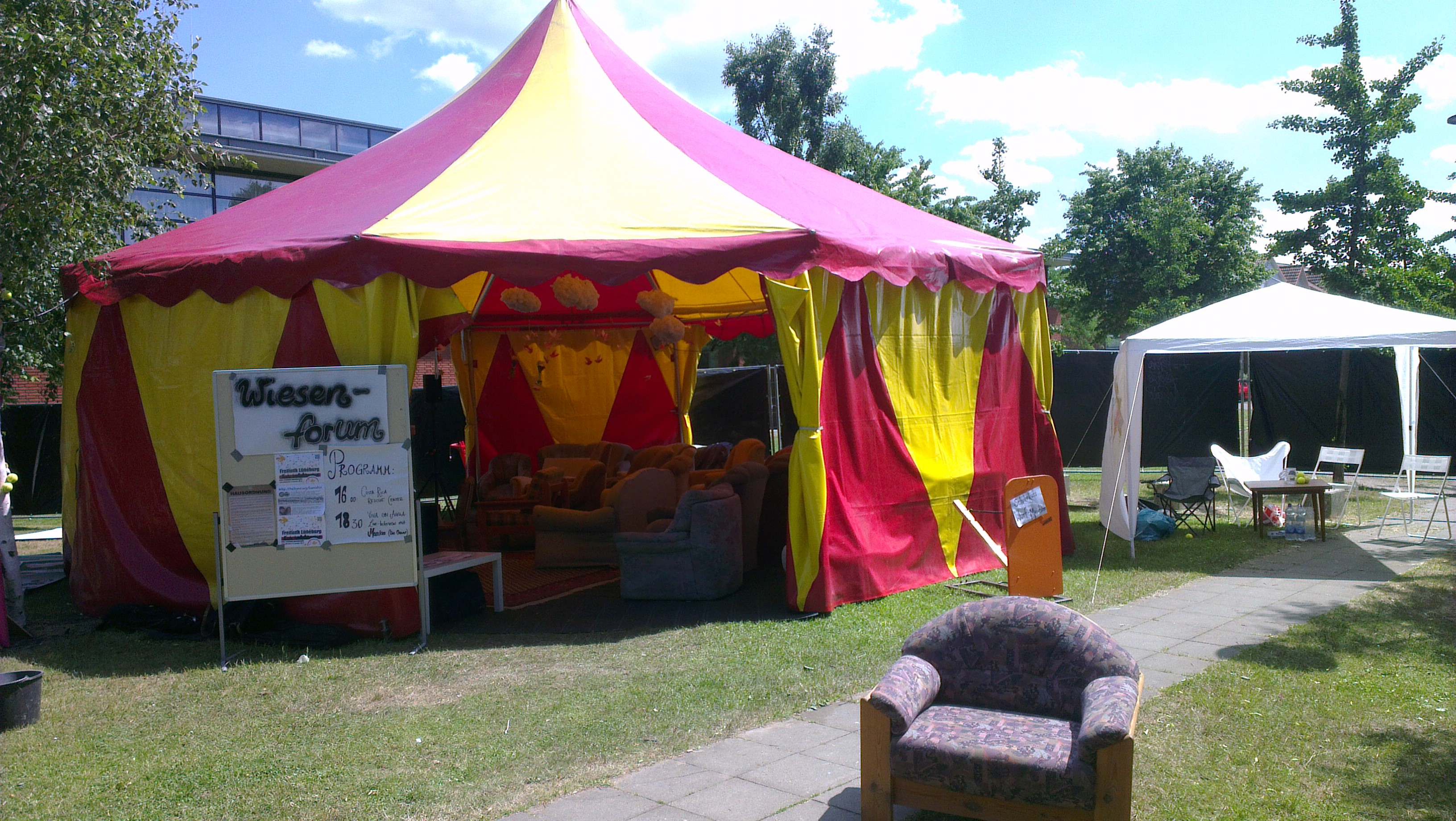
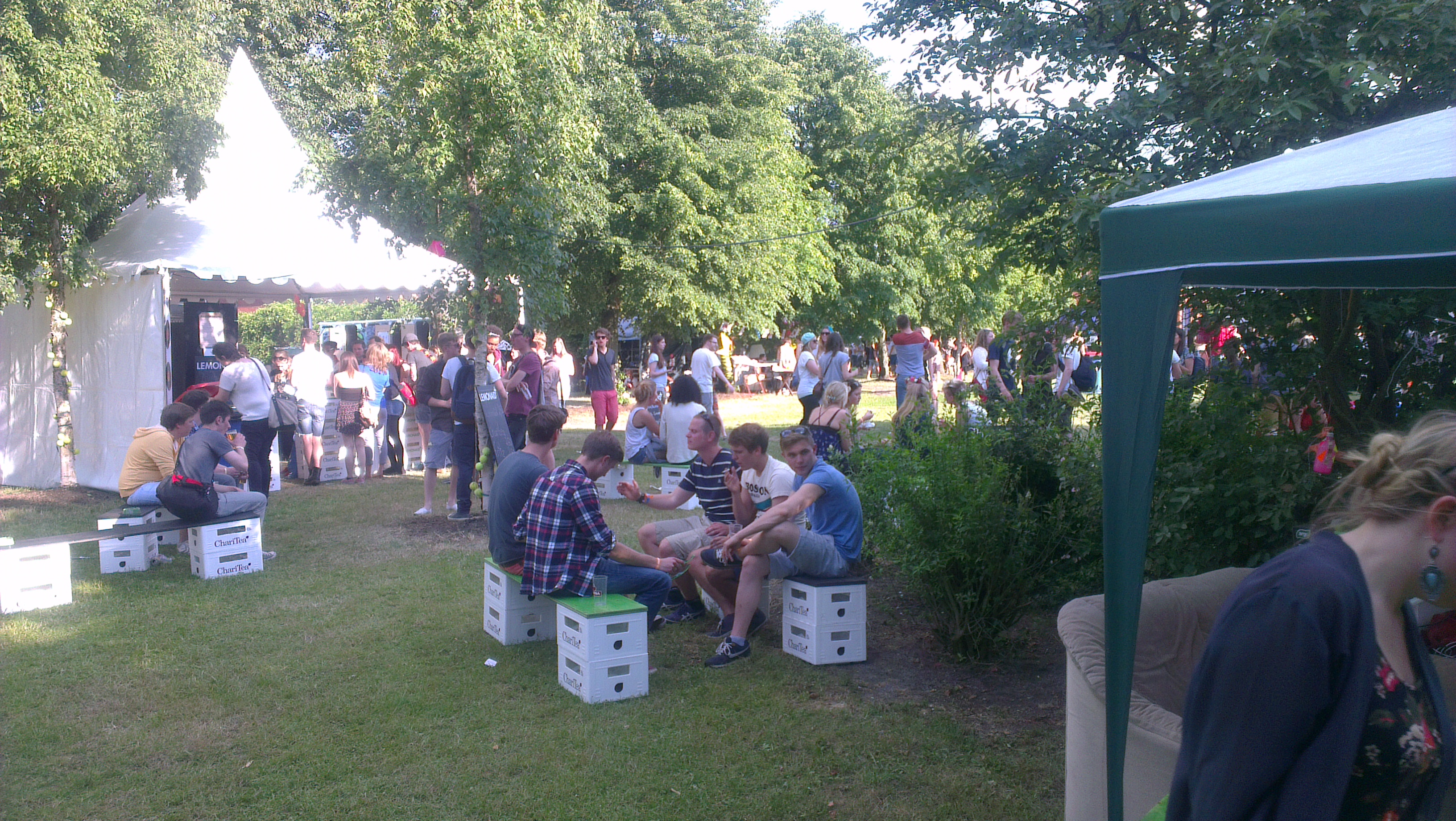
 

Lunatics in Leuneburg

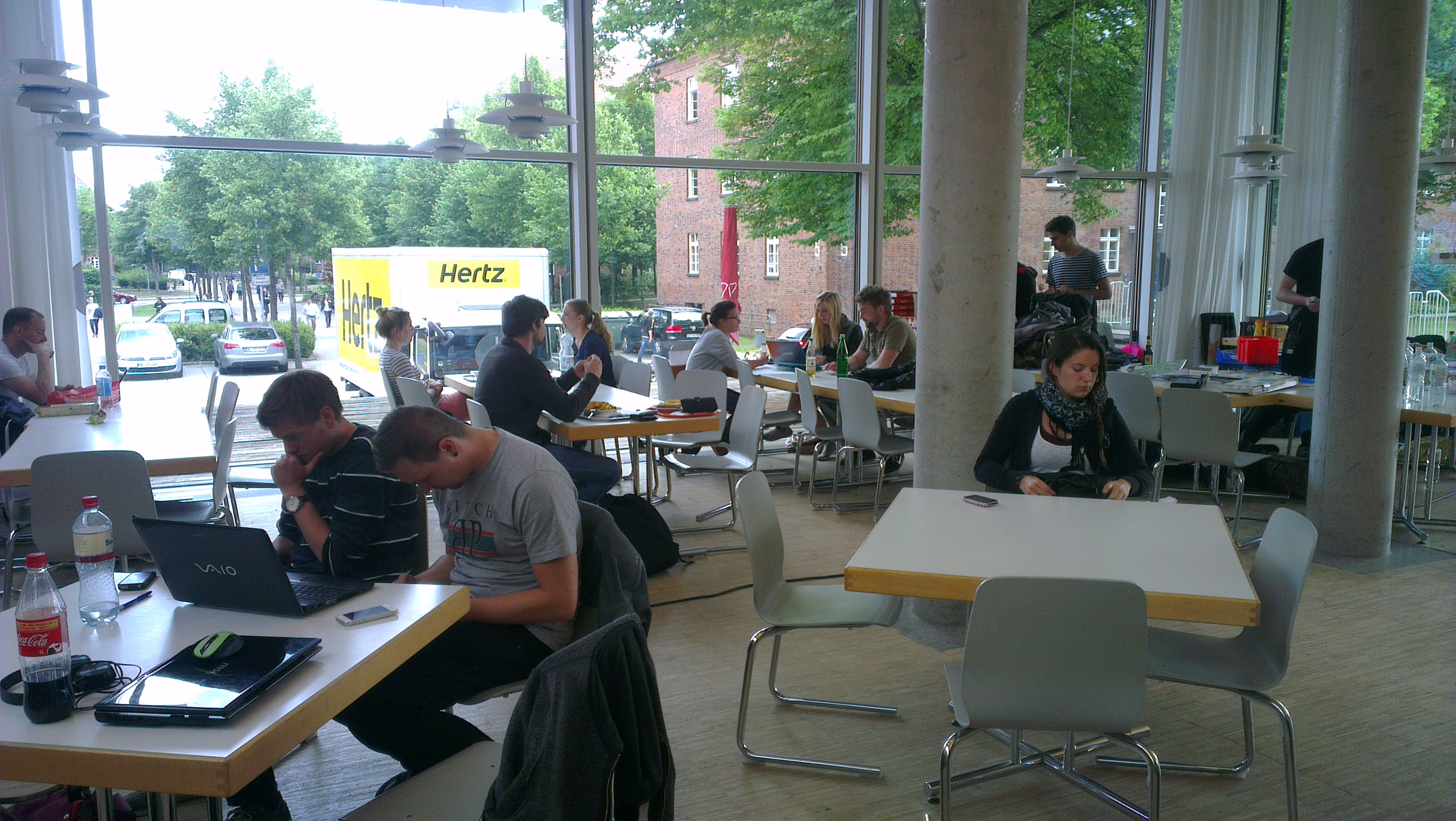
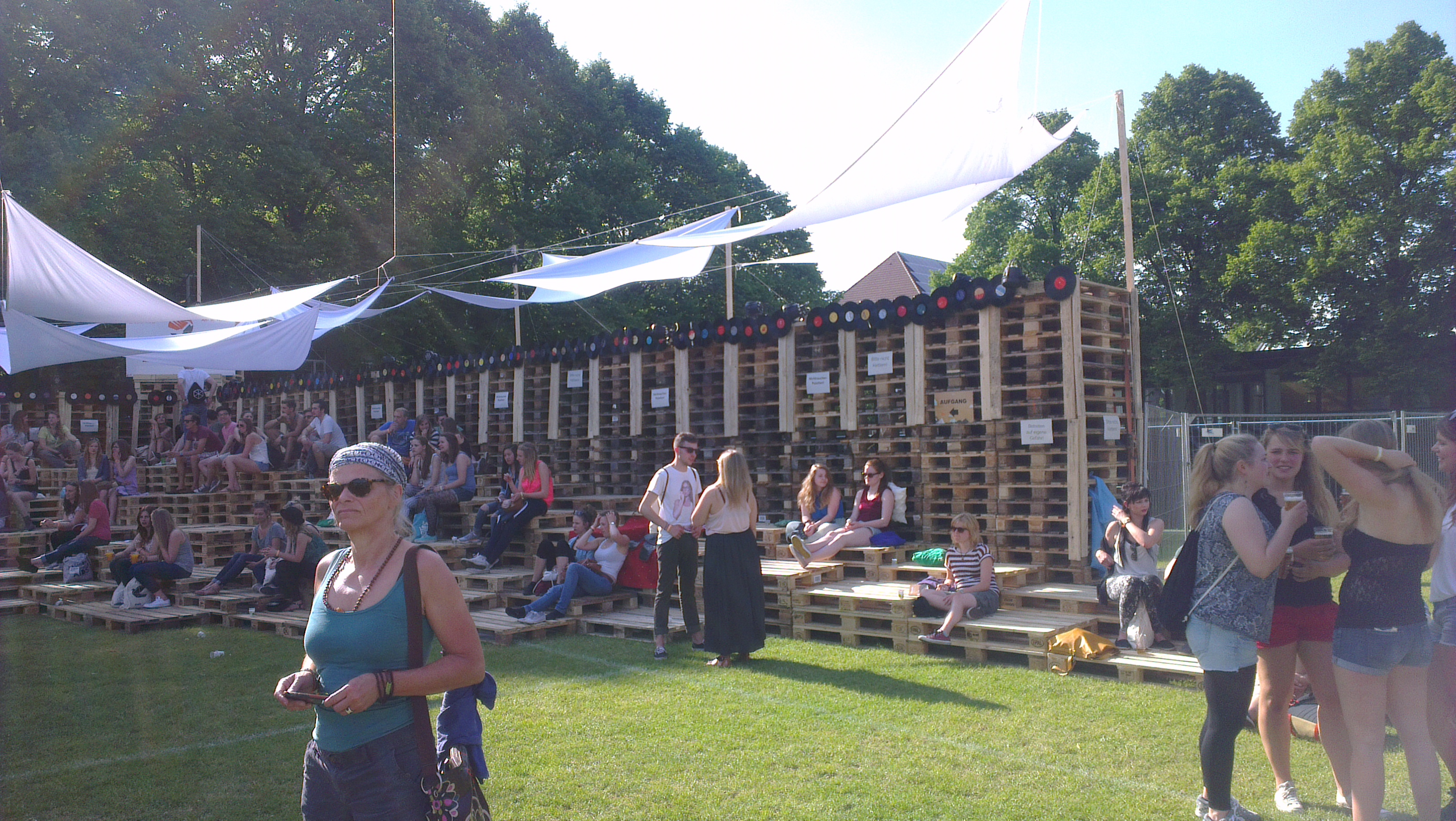
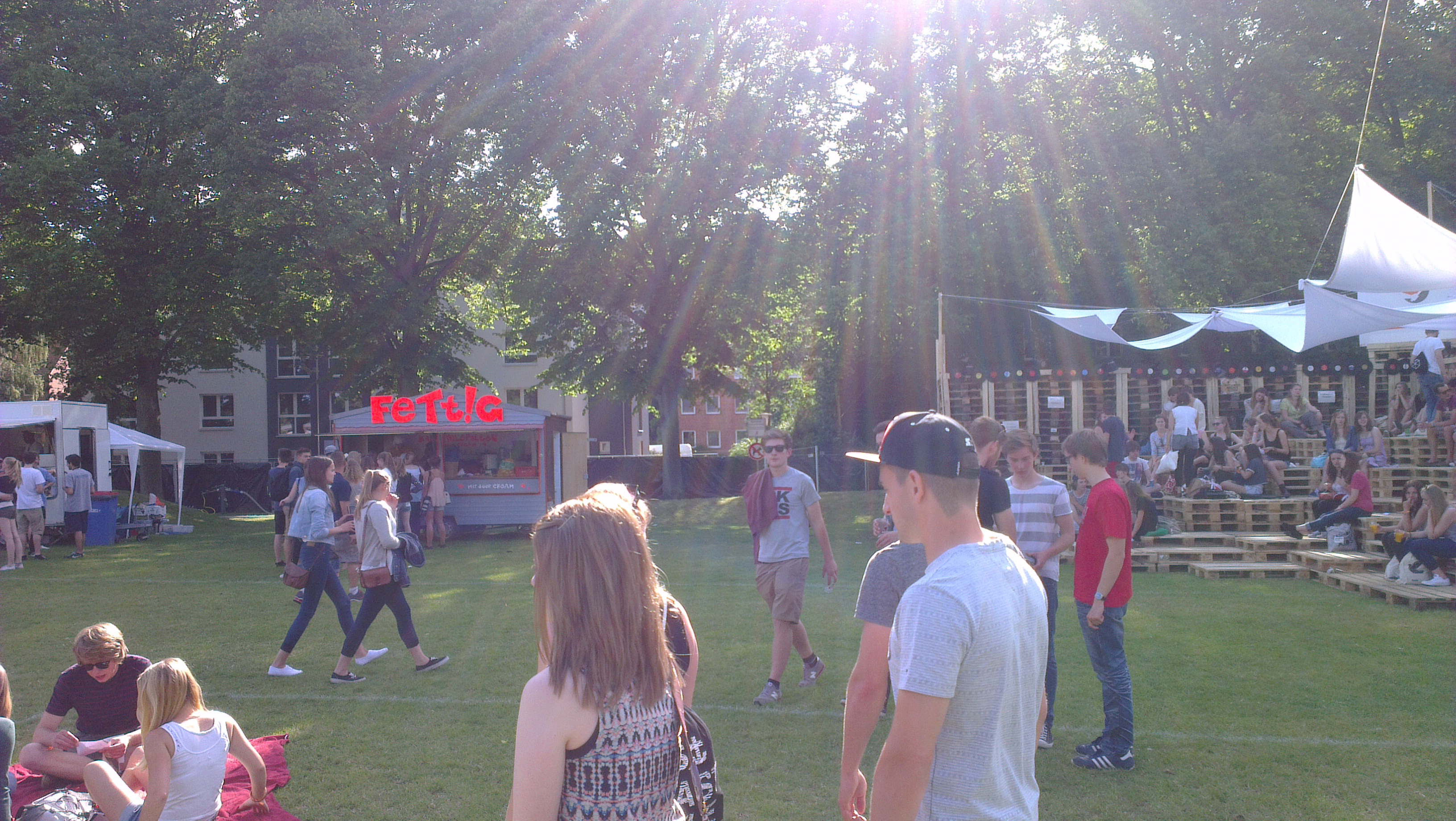
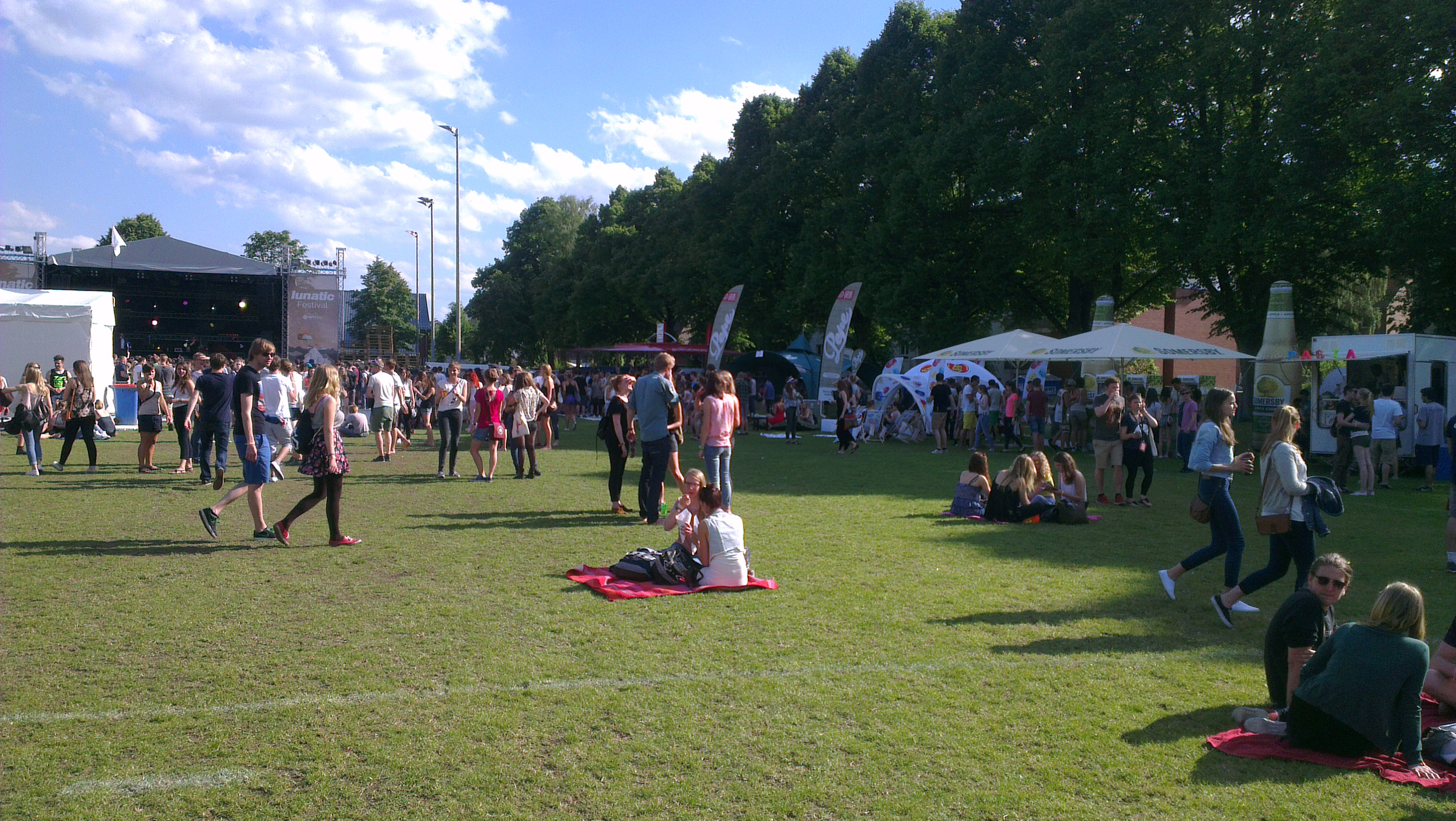
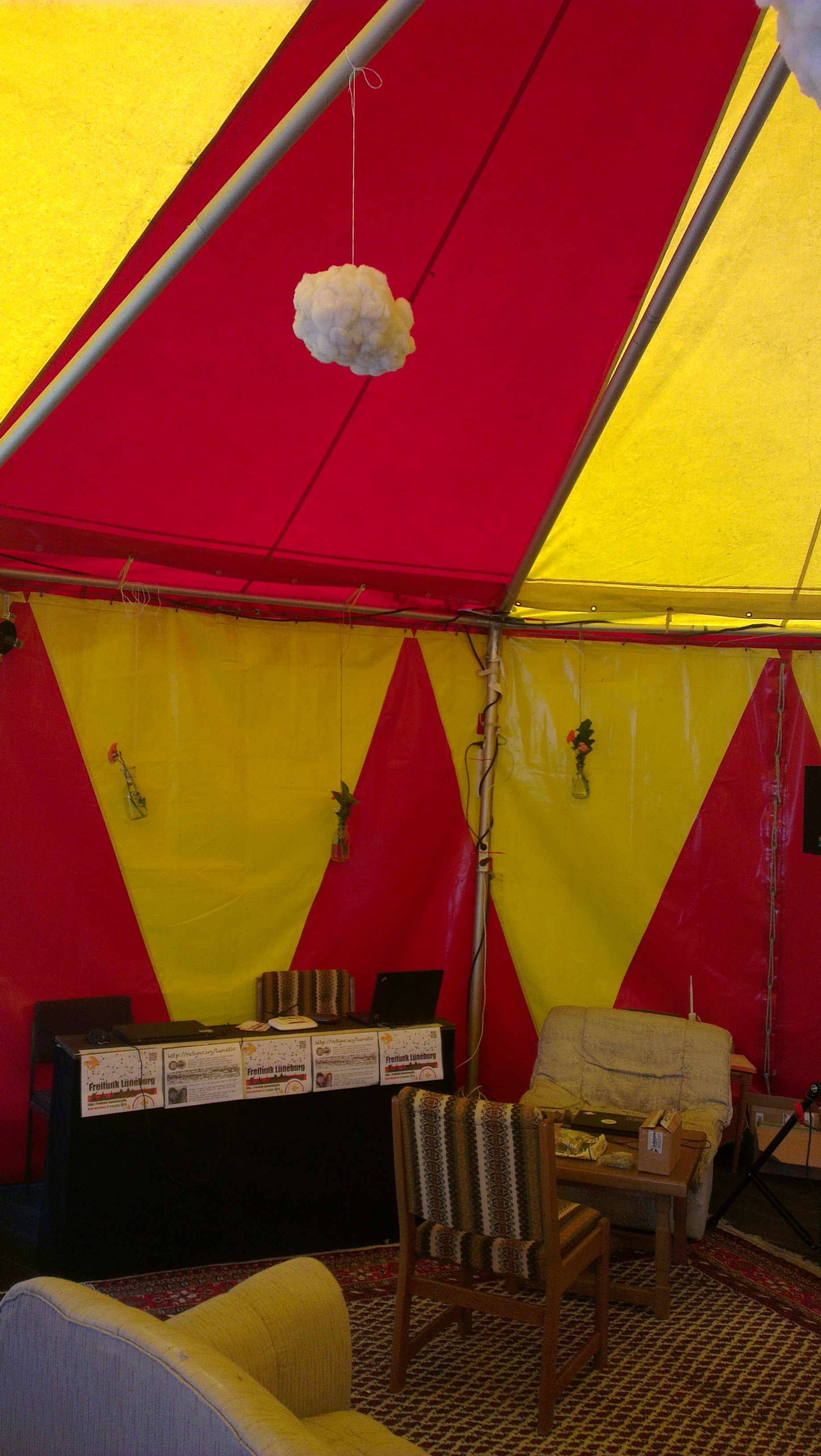
IMAG0035reSync set out on an ambitious programme of activity to mark it’s establishment as a startup company, picking up where deckspace.tv rounded off it’s research phase in Leuneburg.

To begin we formed a collaboration with the Freifunk Leuneburg group and invited them to join us for a few days preparation and two days of festivities on the Leuphana University campus.

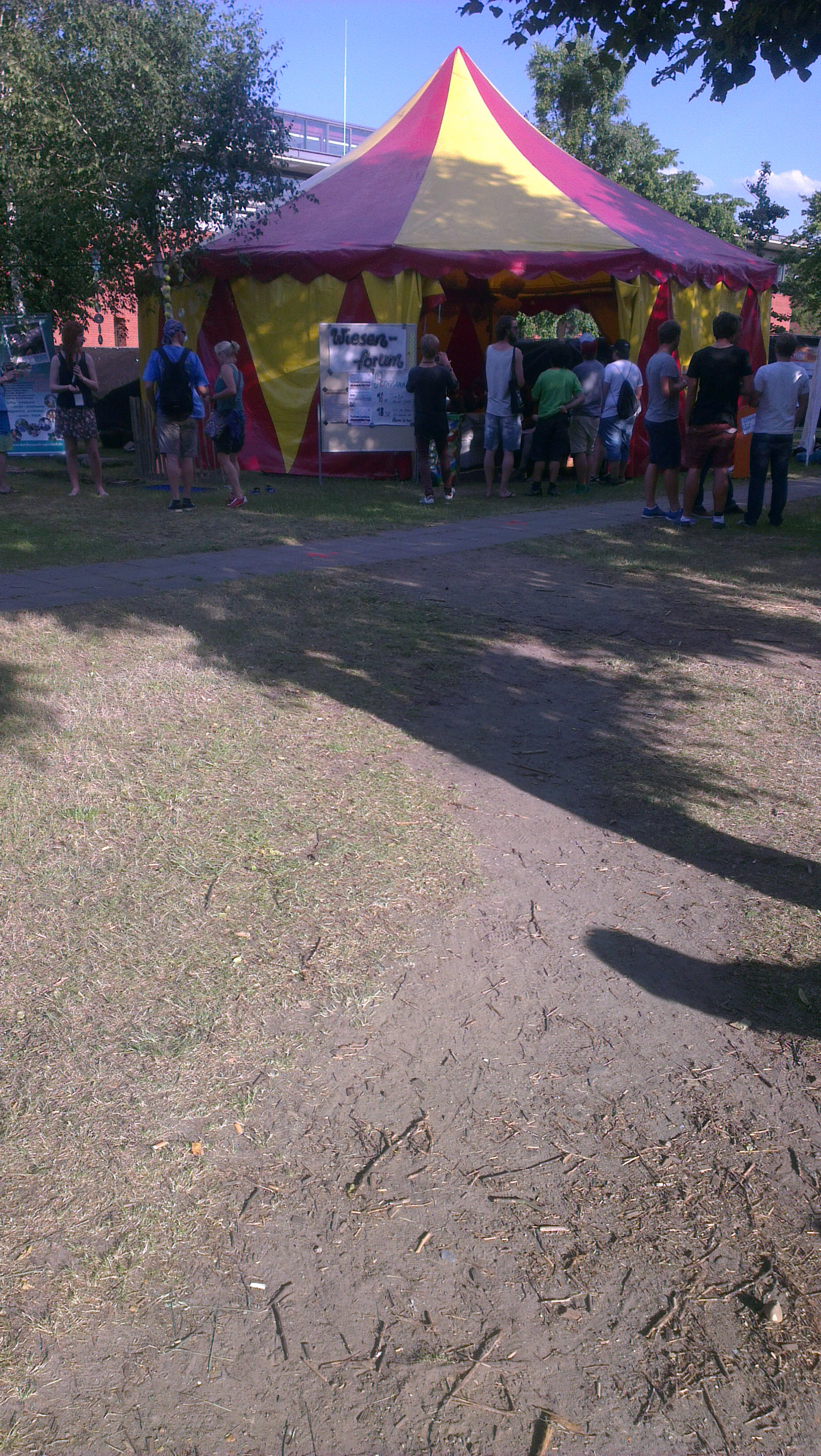
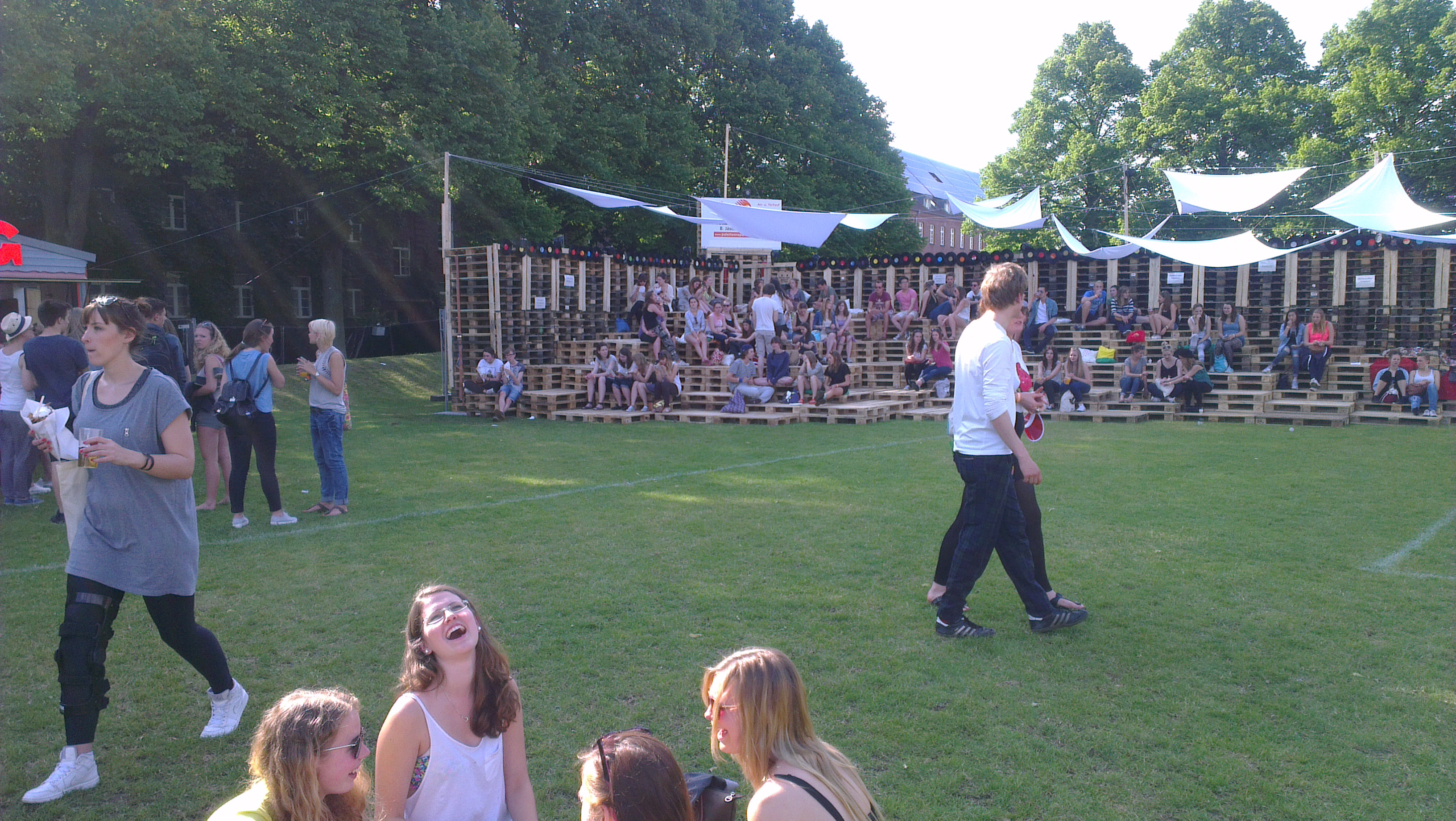
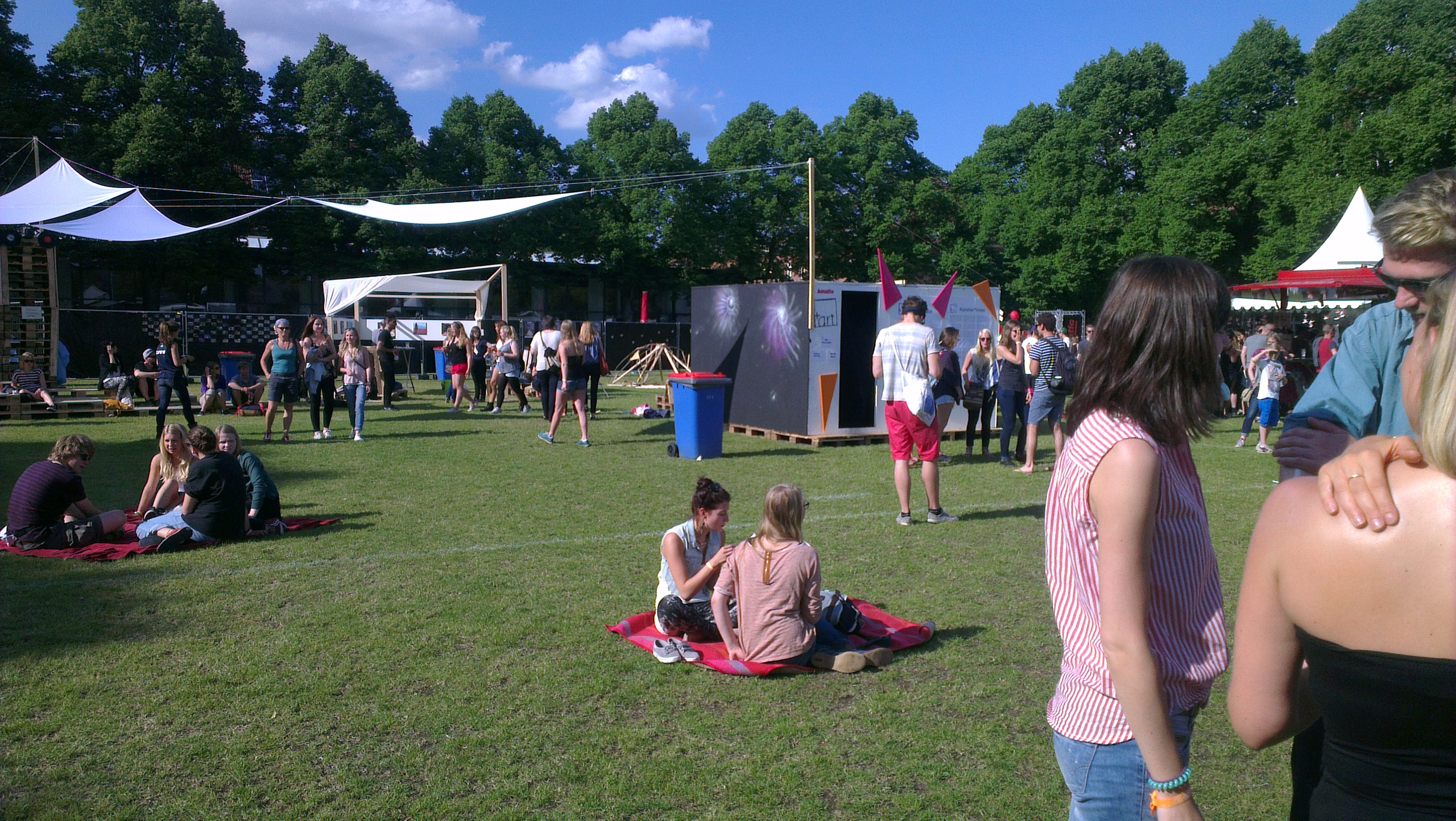
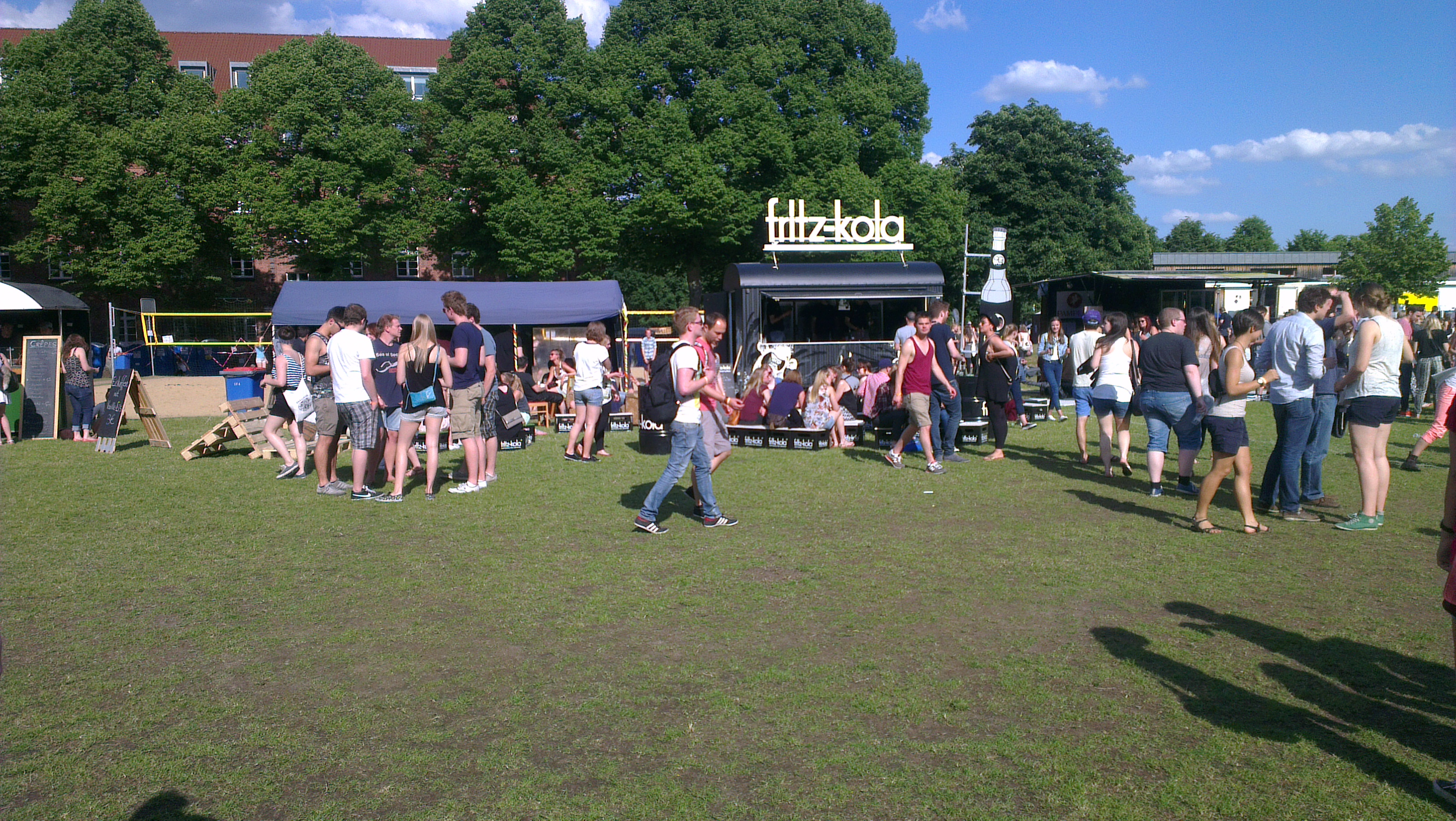
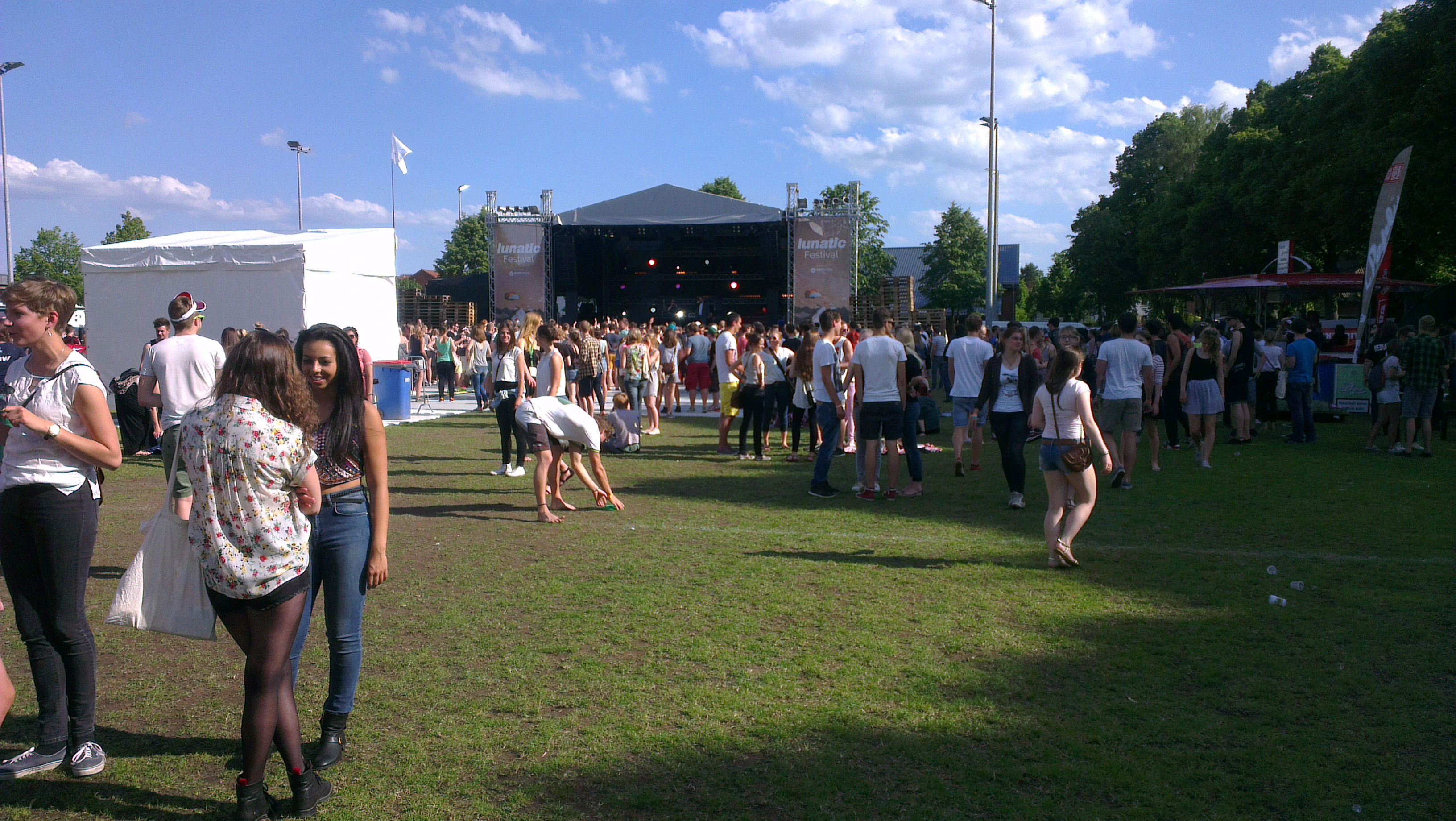
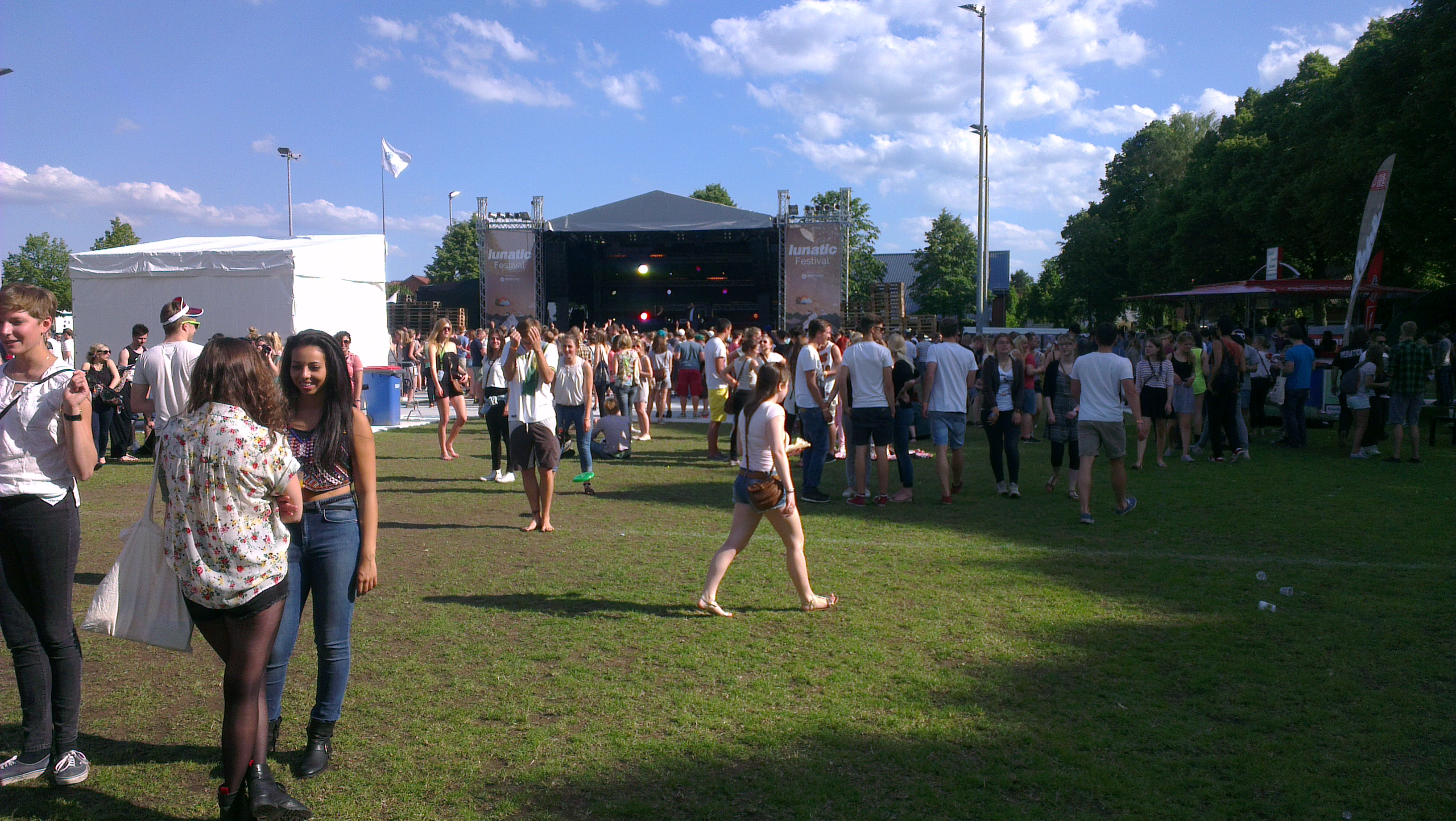
friday lunaticsLunatic festival is held each year and operated by students of all faculties in the University as part of an enlightened in-house work experience period for second and third years. We first met with previous years chief co-ordinators at sessions in Freiraum during 2012 where we first proposed our involvement and set up the process for the following years festival. They estimated 2000 visitors a day would attend to share the love of summer and end of term!

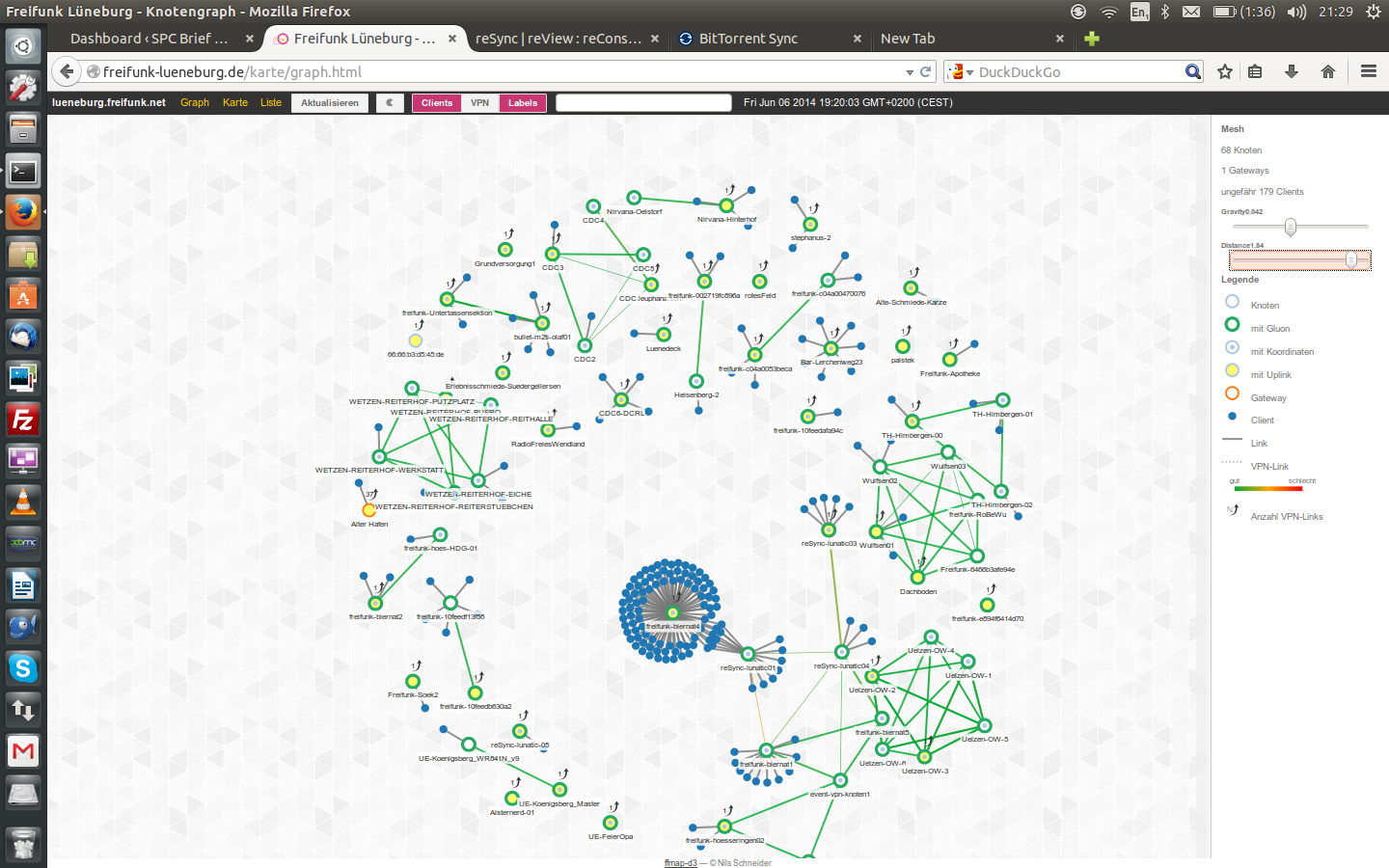
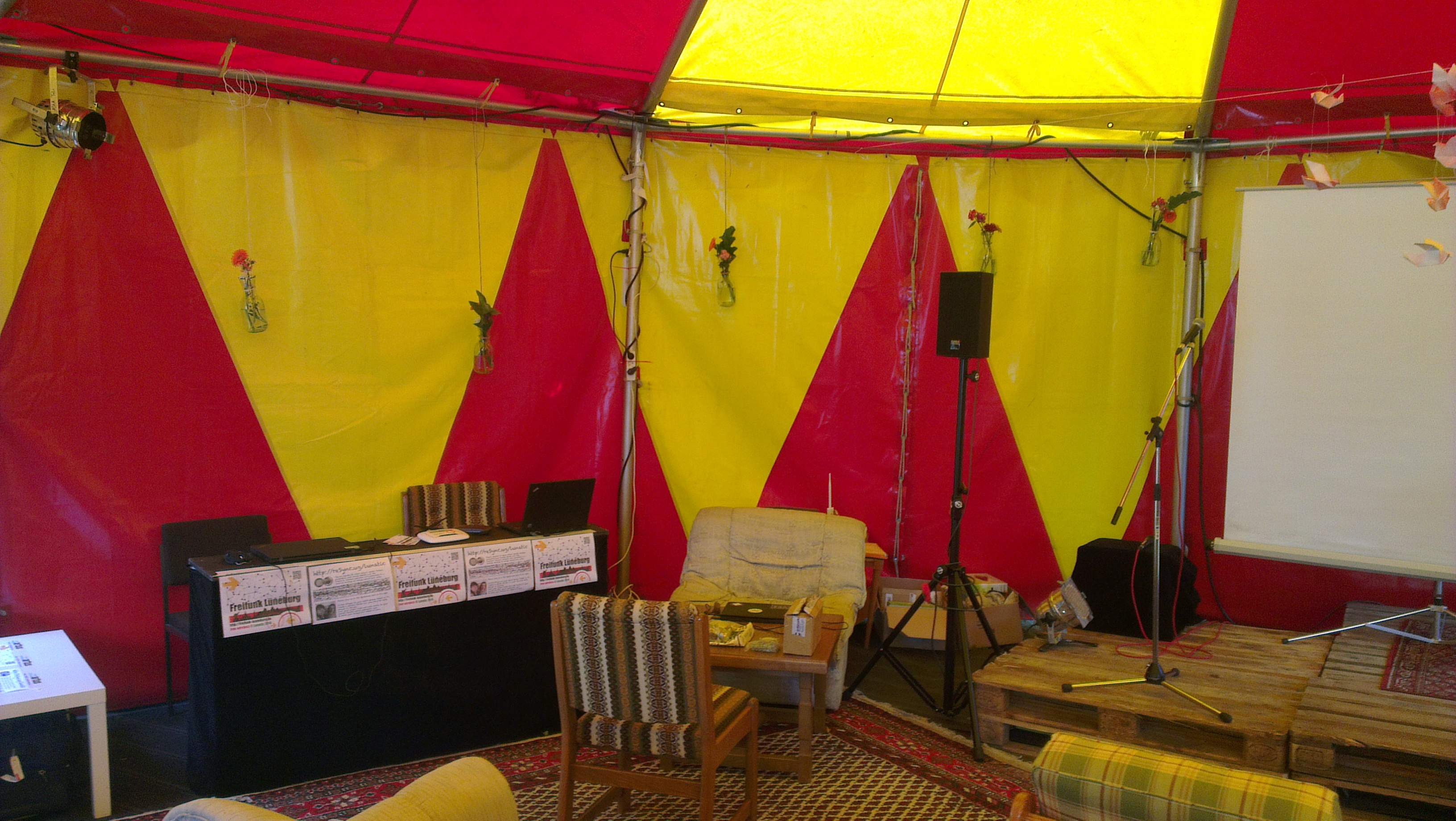
Screenshot from 2014-06-06 21_29_35With our invitation in hand we promoted Freifunk Leuneburg as wireless infrastructure providers at the festival an ambitious but achievable prospect and one which drew in some great characters from the local group all of whom chose to work above and beyond the call to put in place the physical and radio interlinks as well as install and test the dozen wireless access points required to put a universal access network into place for everyone to use.

To reSync Lunatic, we set up an array of pre-configured Bit Torrent Sync secrets to facilitate file synchronising between attendees at the festival via qrcode graphics printed on a series of custom button badge artwork sheets. Each Lunatic (festival visitor) claimed a badge from us and pressed it together in our workshop, along with it’s write access ‘secret’ enabling them to present sounds texts and images from their smartphone to anyone willing to scan their badge and at any location in the festival area.

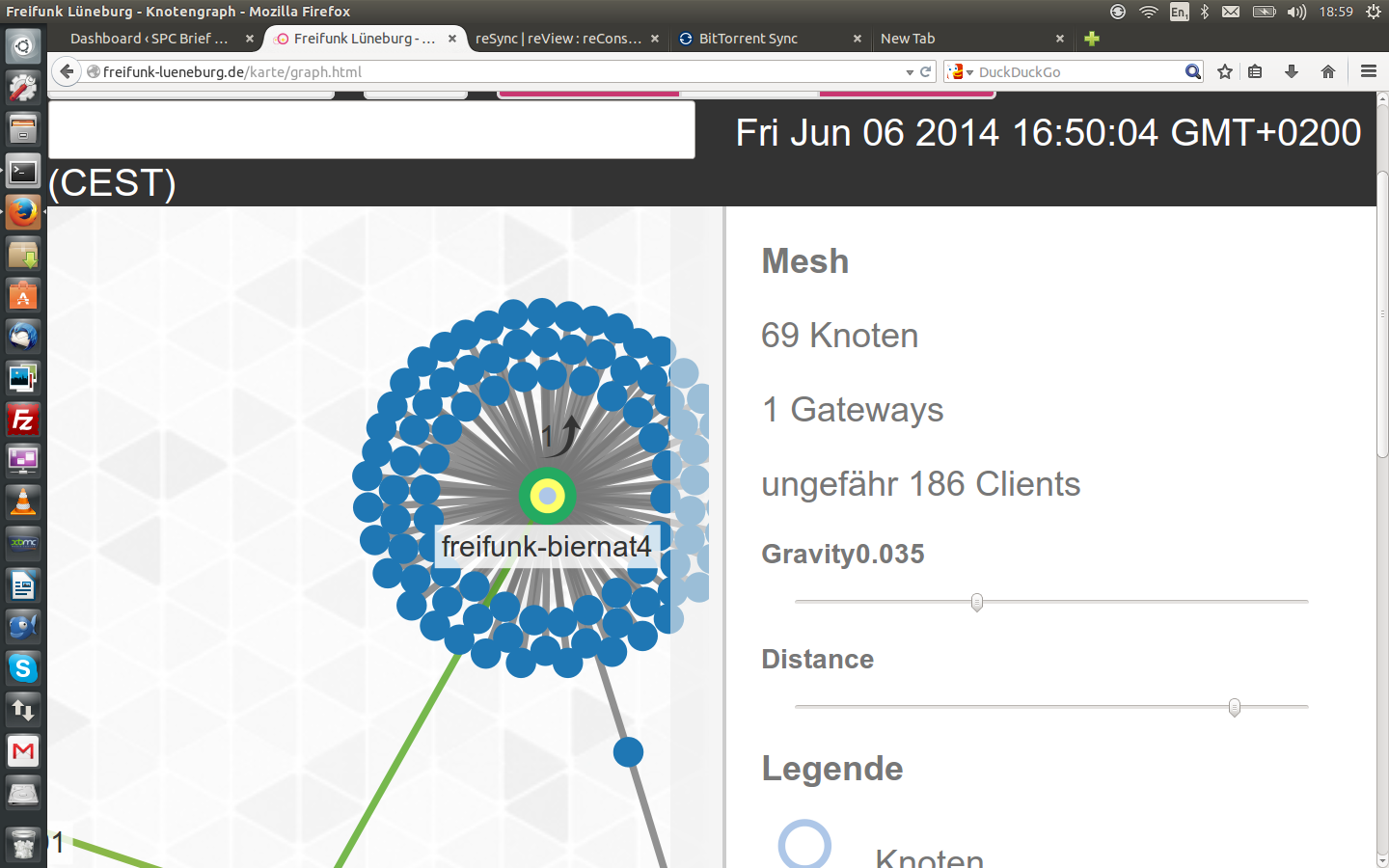
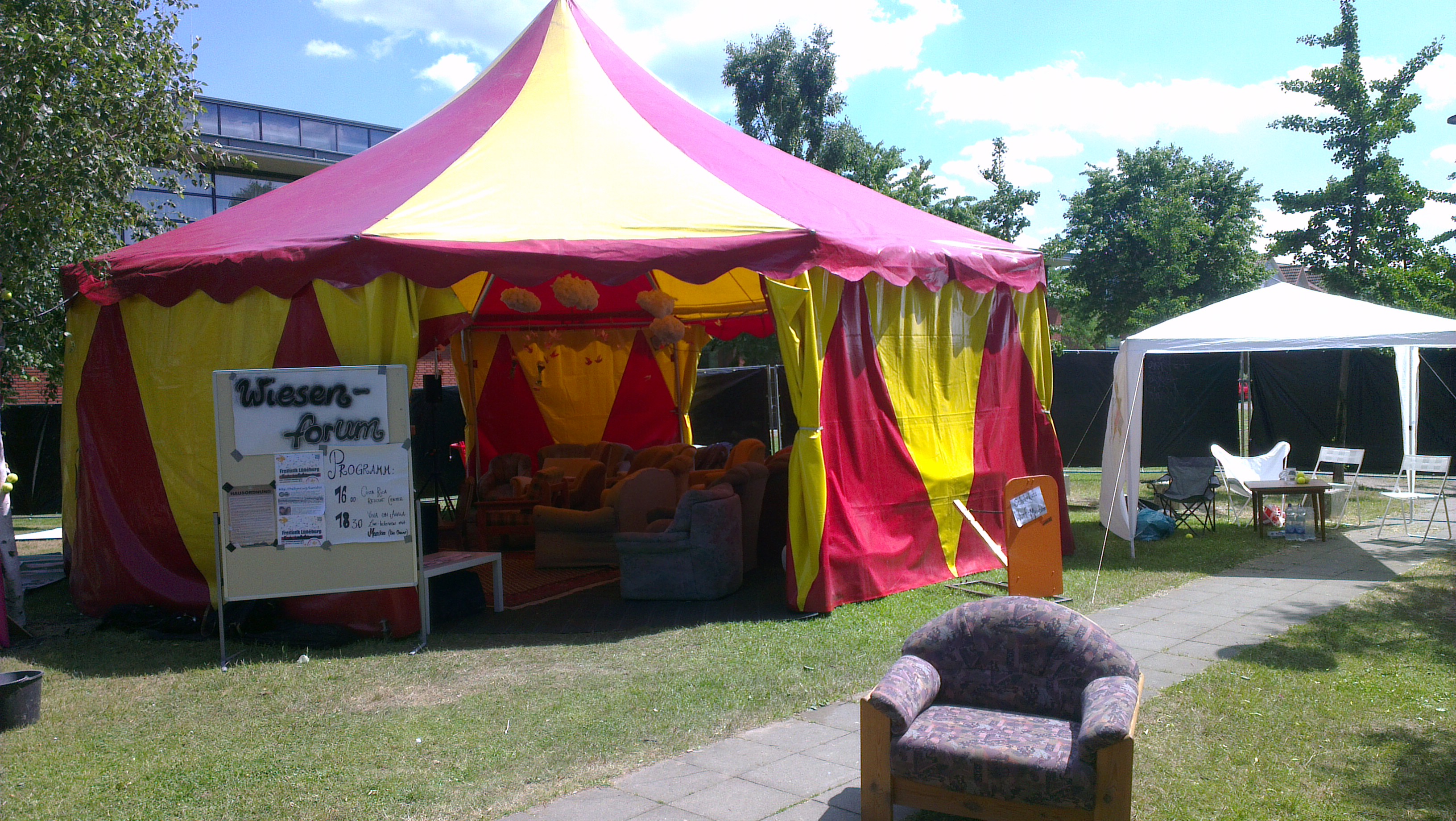
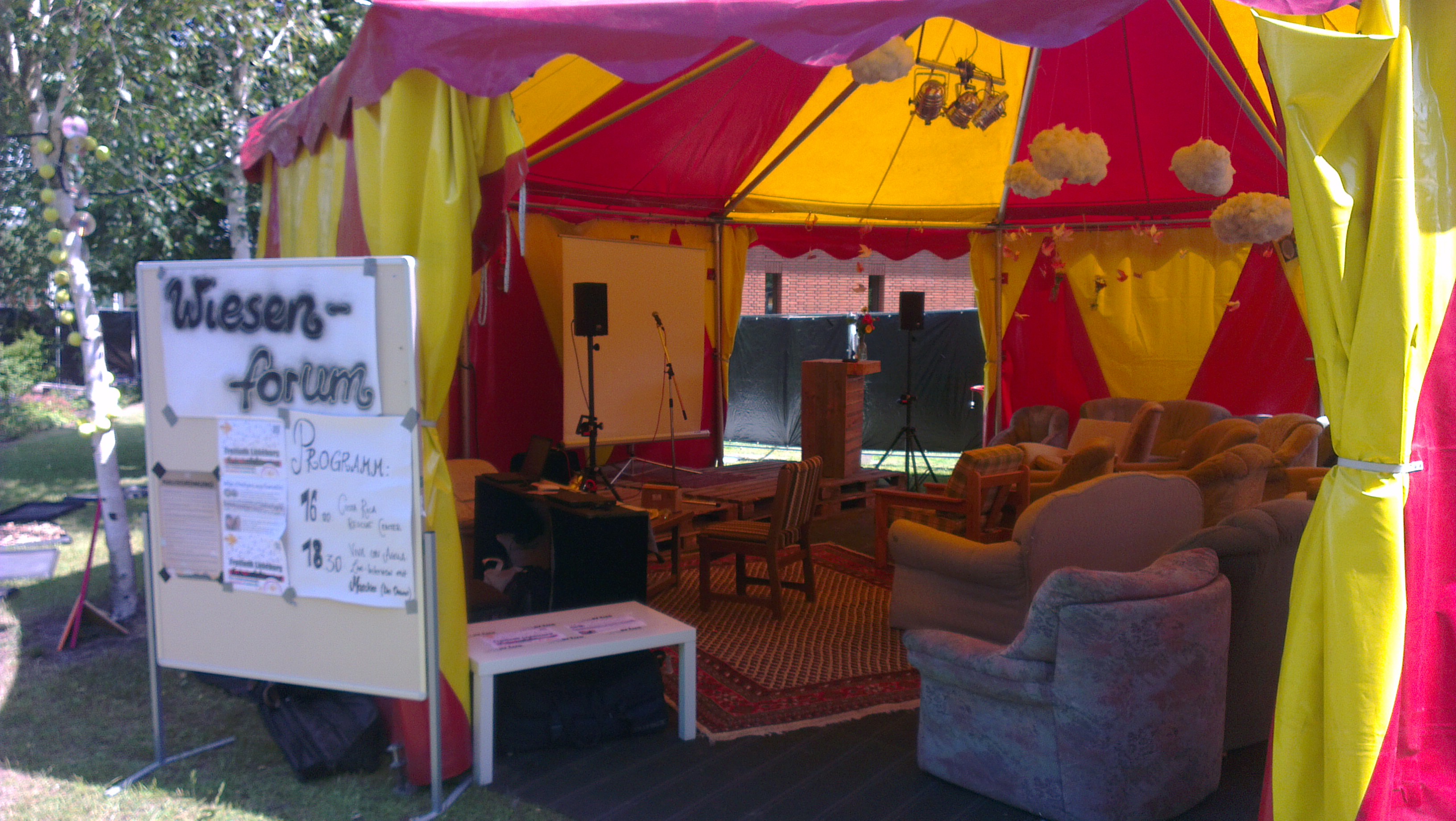
Screenshot from 2014-06-06 18_59_27We all then setup camp in a quiet corner of the spielwiese and proceeded to monitor the useage of the wireless network and respond to the increasingly engaged festival goers requesting a reSync badge and support to get their smartphones sync ready and activated.

New Babylon Revisited

Participatory actions and drifts for the post-digital city

New Babylon was a model of an utopian city of the architect Constant. It was based on the idea of a constantly developing network of units that can allow dynamic and playful interactions among the city and its inhabitants. Although the New Babylon was a city that was never built, a part of Constant’s thought seems to have been now realised in the most contradictory way. Life in the “smart cities” seems to have an open, participatory and playful character aiming for the constant optimisation, normalisation and predictability of urban everyday life. Constant connectivity and the continuous aggregation and use of urban data can not leave much of a space for unpredictable, ephemeral and free forms of communication and interaction. And while in the post-digital era the romanticised idea of the connected city seems to be left behind, the urge once again appears for the location and redefinition of the elements that can offer opportunities for unitary thought and collective action.

The project New Babylon Revisited invites to Athens artists and theorists who through their workshops and actions will propose new architectures of connectivity and re-examine the city’s infrastructures. As part of the overall project, the studios and offices of a building in Praxitelous street will be connected through a pneumatic network of tubes; a city drift will invite visitors to a free exchange of files; a discussion around the enclosures of the Athenian commons will be hosted in an offline sharing network; a parasitic micro-conference on the move will re-approach Athens and an ephemeral radio station at Mavromichali street will work as an open and accessible network, addressing a call for discussions and actions. E-book.

Friday Lunatics

Analog III

reSync besucht analog III: “Verlagsbranche im Wandel”

“Haben die gedruckte Zeitung und das gedruckte Buch eine Zukunft? Wie gehen Verlage und Redaktionen mit dem digitalen Wandel um? Fragen, über die rund 60 Teilnehmer und Teilnehmerinnen aus der Region Niedersachsen im Rahmen der Veranstaltungsreihe ANALOG im Stadtarchiv Lüneburg diskutierten. Auf Einladung des Innovations-Inkubator Forschungsprojekts Hybrid Publishing Lab am Centre for Digital Cultures trafen sich Fachleute aus allen Bereichen der Medienbranche sowie interessierte Bürgerinnen und Bürger, um sich über die Digitalisierung der Medien auszutauschen, Erfahrungen zu teilen und den Blick für aktuelle Herausforderungen zu schärfen.” (CDC 2014)

Sieh auch video editing server & WikiTV

reSync @ Art meets radical openness

ReSync.UG visited the art meets radical openess festival, taking part in a discussion around mesh networking. The whole programme can be found here: http://www.radical-openness.org/programm/2014

VPN PICNIC: FROM HIVENETWORKS TO PIRATEBOX

Hivenetworks, started by Alexei Blinov and collaborators nearly 10 years ago, is an Open Source project that explores the new concepts of DIY network building, mesh architectures and ubiquitous computing. The aim is to take the DIY networking and publishing to the point where it becomes accessible to anyone with creative mind and basic knowledge of computing.
A PirateBox, designed in 2011 by David Darts, is a portable electronic device, often consisting of a router and a device for storing information, creating a wireless network that allows users who are connected to share files anonymously and locally. By definition, this device is disconnected from the Internet.
We are proposing an outdoor gathering, a picnic, where we’ll test both platforms and discuss history of the future of autonomous connecting, media (file) sharing, meshing and swarming tactics in urban environment.

Unitary Networking

Unitary Networking is a speculative approach to communications infrastructure, trying to establish a link between urban technology and communication technology and reflecting on the way they form networks of power.
In practice, the starting point of the project is an electronic messaging system running on a wireless mesh network, composed of both fixed and moving nodes. The messages propagate through the network when the devices come in contact with each other. It is a non-hierarchical network, where every node receives, relays and broadcasts messages. The users of the network can send or receive messages by using the webbrowser of their smartphone or computer. The messages can be received and sent at any time, but are only synchronized when other fixed or moving nodes are encountered.
We propose a three day workshop to install the prototype and discuss
together with the participants: The first day will explain the technologies involved and the various elements that we could play with. The participants will be able to make their own nodes for the network and we will  think about how these nodes
could fit in the public space. On the second day we would like to go outside to set up the network in the streets and/or the public transport of Linz.
During the third day we would like to have a public presentation of the concept and progress, and open the use of the network to eventual experiments.
The project breaks down into a series of elements that will be part of the worksessions:
the installation of the devices that connect in the mesh network, which
will be flashed with free open-source software
the exploration of the urban space as a platform to deploy the network
the preparation of camouflaged devices as self-sufficient nodes, by
connecting it to solar panels or by parasiting vulnerable sources of energy
the construction of antennas to bridge longer distances
We count on public participation and interaction for making this proof of concept and the existing prototypes into a meaningful collective  situation.
The workshop is open to public with different backgrounds and skills, as the different tasks in the project can be shared according to the capabilities and interests of the participants.

Options for Participants:
If the participants would like to create a node of their own they should
bring an Open-WRT compatible router. For a list of compatible hardware
see(http://wiki.openwrt.org/toh/start). We recommend the TP-Link
TL-MR3020 and TP-Link TL-WR703N for their small size and low power
requirements. We will bring between 5 and 10 routers ourselves, to be
used as nodes.

DATA UNION discussion group/worklab
Data Union is a project by The Analogue Group. It aims to create a viral union of data refugees, whose only possession is their data, as an experiment in everyday life, that is, as a laboratory of innovation for the autonomous use of data in local contexts globally networked.
These data unions will add value to contemporary movements of ecological, economic, racial, and gender equality in three specific ways:
1. To work with groups to understand contemporary regimes of copyright, and open data movements.
2. To develop a political analysis of the data-yielding activities of their communities, groups, and organisations.
3. To develop a collective, creative, and democratic response to the social, economic, and cultural implications of Big Data and to fully leverage the value of that data in the interests of democracy, equality, and justice. More here: http://dataunion.org.uk
We’d like to spread the word about Data Union beyond London where current activities are situated. An afternoon of discussion examining efficacy of everyday behavioural tactics relating to data, surveillance and autonomy to enable anonymity, data disruption and pollution, autonomous organisation, value negotiation.
If time allows, we propose to test the Open Mustard Seed (OMS) Framework, a project by researchers, developers and entrepreneurs, primarily from Harvard and MIT and the Boston Community that seems to bridge a gap to developing autonomy in data retention, monetisation and eventual strike.
The Open Mustard Seed project is an open-source framework for developing and deploying web apps in a secure, user-centric personal cloud.
The framework provides a stack of core technologies that work together to provide a high level of security and ease of use when sharing and collecting personal and environmental data, controlling web-enabled devices, and engaging with others to aggregate information and view the results of applied computation via protected services.

url:
http://dataunion.org.uk
http://idhypercubed.org/wiki

ifttt

Latest apps for Android and iOS include long overdue ifttt automation suite which will extend the scope for syncronising and managing publicity during the events we have scheduled. So far I can’t see a btsync channel, perhaps we will get one added.

We are using a recipe to trigger a tweet to be displayed whenever a new lunatic makes a badge which displays their resync qrcode. If it works like this I shall be amazed


Analog II

reSync besuchte die Analog II Veranstaltung um das Thema “Kontrolle politischer Macht durch Medien muss sein”. “21. März 2014 Lüneburg. Von prekären Arbeitsbedingungen für hochqualifizierte Journalisten bis zur Verantwortung der EU für die Vielfalt der Lokalzeitungen – auf der Medientagung ANALOG der Leuphana Universität Lüneburg diskutierten rund 100 Medienvertreter und Journalisten am 20. März die Zukunft des Qualitätsjournalismus. Prof. Dr. Däubler-Gmelin sprach sich für die Kontrolle politischer Macht durch die Medien aus.” (CDC 2014)

D-cent event

reSync visited on the 14th of March 2014 d-cent: “D-CENT is a Europe-wide project creating privacy-aware tools and applications for direct democracy and economic empowerment. Together with the citizens and developers, we are creating a decentralised social networking platform for large-scale collaboration and decision-making.” (D-cent 2014)

Nesta announced that: “on March 14th we will host the D-CENT launch event in London at Nesta and we would like to invite you to attend the event and participate in the working group sessions. The event will draw a number of high-level policy makers, academics, activists, civic society organisations, and hackers from the field. Together we will dive into new ways of strengthening citizens’ participation and deliberation in the political process presenting already existing digital tools for open democracy, new frameworks for institutional innovation, and alternative economic models based on complementary currencies and digital crypto currencies.”

Art Meets Radical Openness

Uncovering new truths and making them public as a disruption and criticism of the dominant system has consequences.

Threat scenarios of the digital surveillance state inevitably have palpable effects on our lives and actions. Access to information, infrastructure and technology, which is especially important for activists in repressive regimes up to the present, has become a widely discussed issue since Snowden’s disclosures at the latest, because now a broad mass of people in democratically governed states see their “privacy” endangered. Independence, confidence and freedom are massively put to the test.

Artists, hacktivists, cultural producers, journalists, software developers and idealists, in short creative actors with a desire for change increasingly find themselves in uncertain territory. Which methods and alternative tools can be used to generate new views of everyday life, work, money, politics and the environment, and to instigate a new cultural practice, to impel civil society processes, without them being nipped in the bud?

How do creative actors contribute to the process of change and which new forms of cooperation do they enter into?
# Program # AMRO Showcase # Speakers

Contributers:
Klau Kinki/ES; !Mediengruppe Bitnik/CH; Adnan Hadzi/CH/UK; Aleš Hieng, SLO; André Castro/ES; Andreas Zingerle/A; Anne Roth/DE; Dennis de Bel/NL; Roelof Roscam Abbing/NL; Dominik Leitner/A; Donna Metzlar/NL; Femke Snelting/NL; Franz Xaver/A; Heath Bunting/UK; Inari Wishiki/UK; Jakub Pišek/CZ; James Bridle/UK; James Stevens/UK; Jonathan Kemp/UK; Karlessi/IT; Konrad Becker/A; Larisa Blazic/SRB/UK; Linda Kronman/FIN/A; Lizvlx/A; Lonneke van der Velden/NL; Marc Garrett/UK; Marek Tuszynski/ Margarita Köhl/A; Martino Morandi/IT; Marie Polakova/CZ/A; Michael Schweiger/A; Nathaniel Tkacz; Niek Hilkmann/NL; Renfah/A; Robertina Šebjanič/SLO; Roelof Roscam Abbing/NL; Selena Savić/CH; Taro the cook/A; Tatiana Bazzichelli/IT; Valie Djordjevic/DE; Veronika Krenn/A; Vesela Mihaylova; Victor Diaz/ES; waiwai; Wolfgang Spahn/DE; Yoana Buzova/NL; Reni Hofmüller/A, Jogi Hofmüller/A; u.v.a