Author: admin
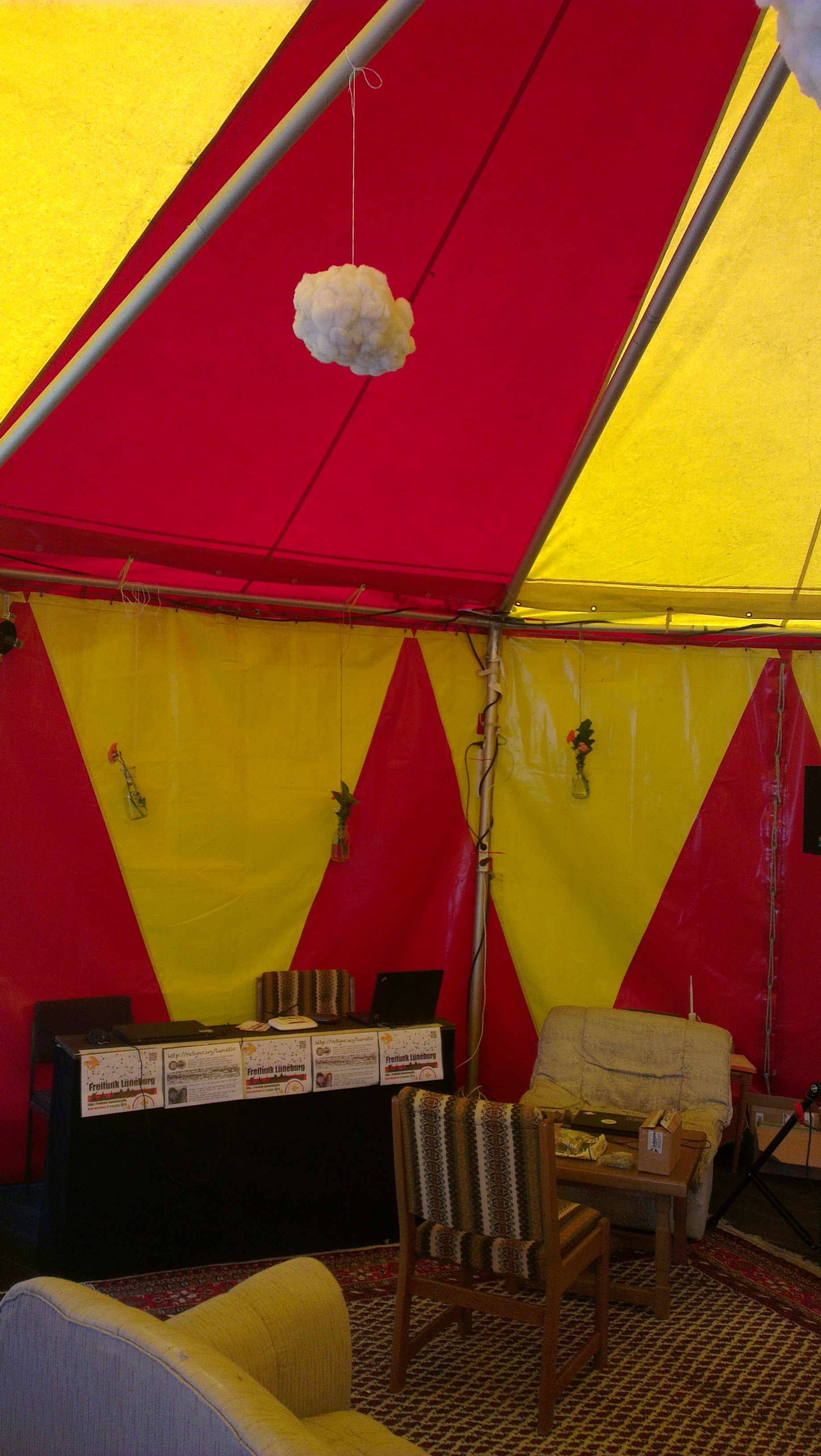
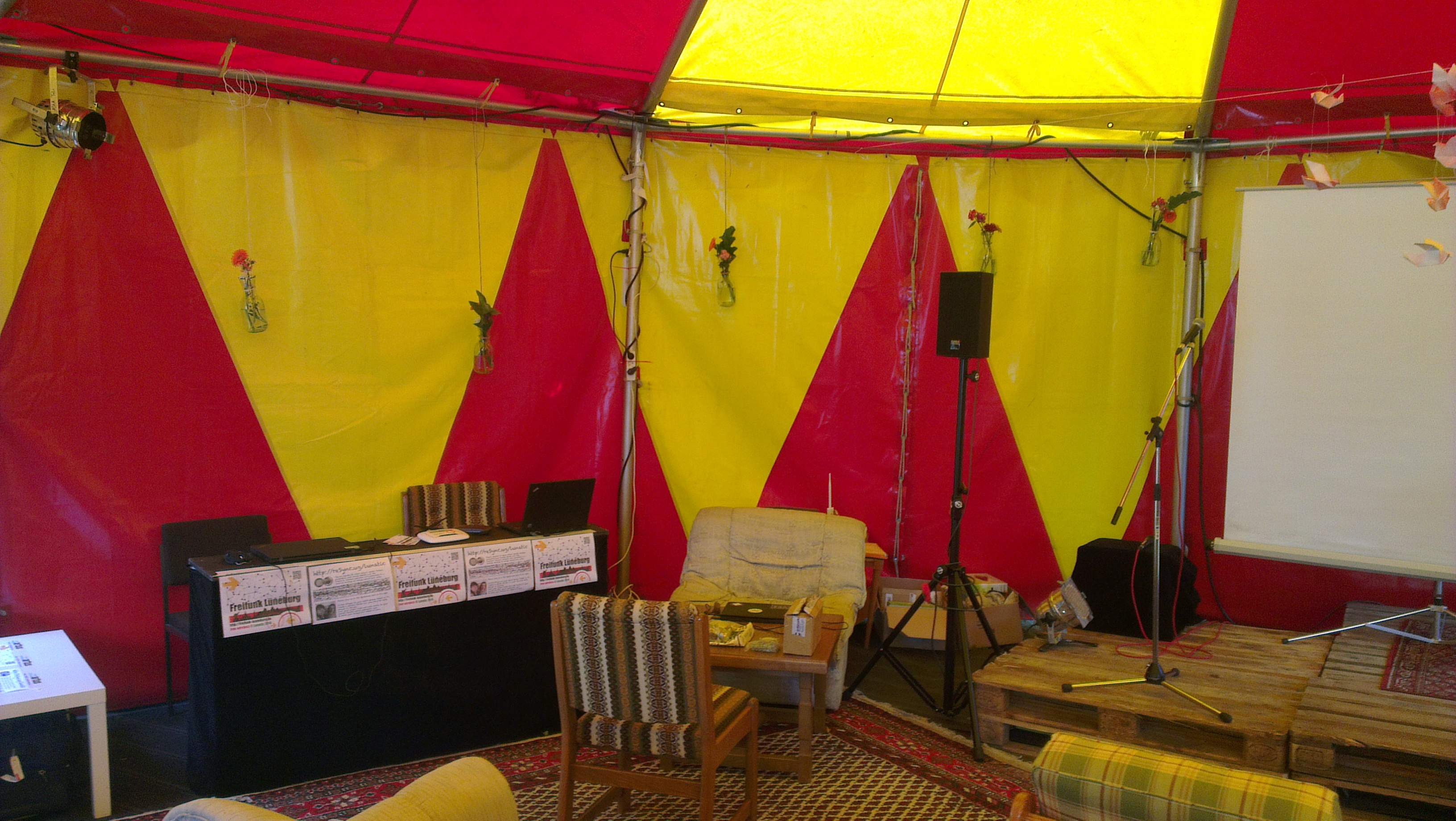
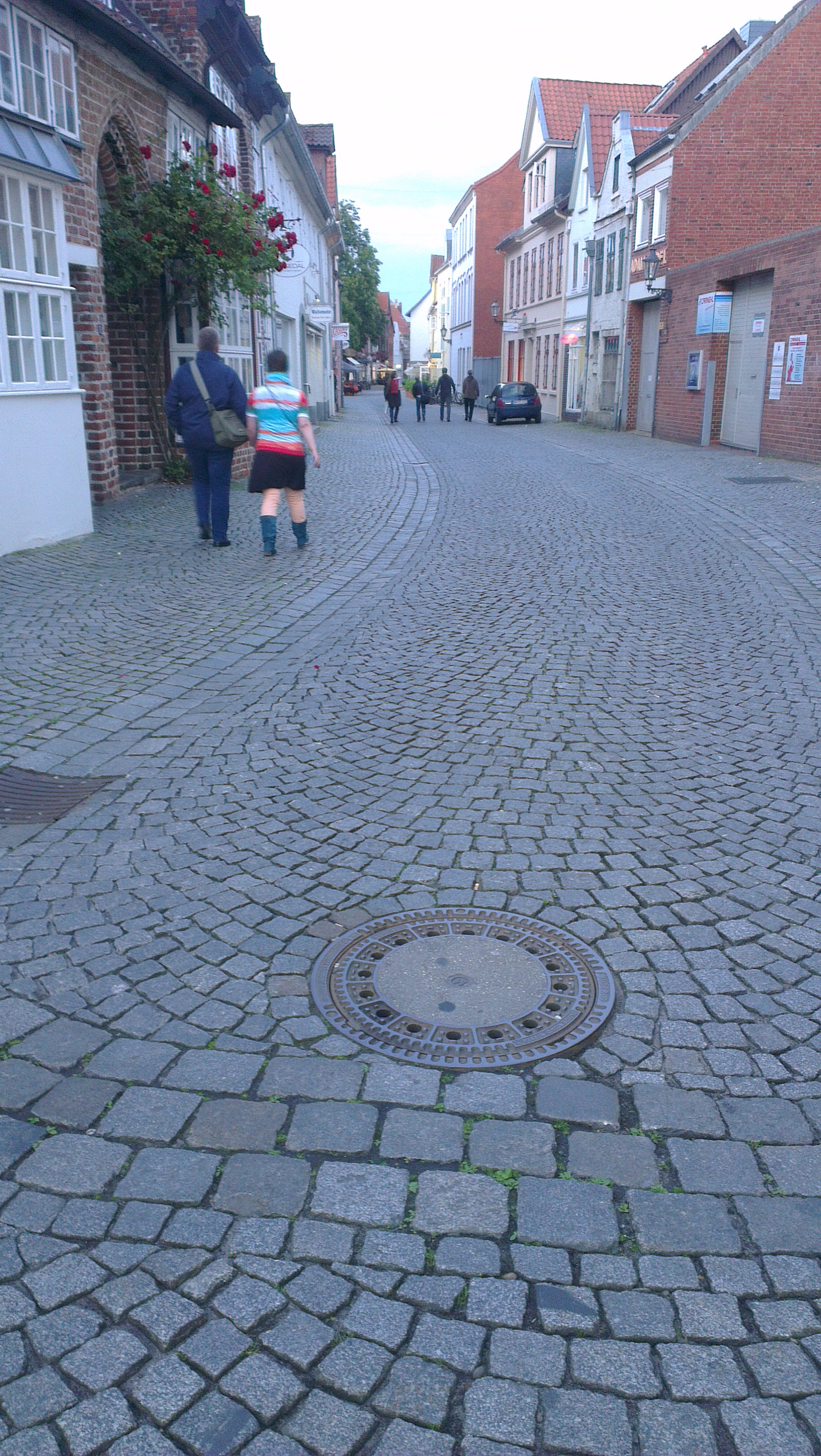
Analog III
reSync besucht analog III: “Verlagsbranche im Wandel”
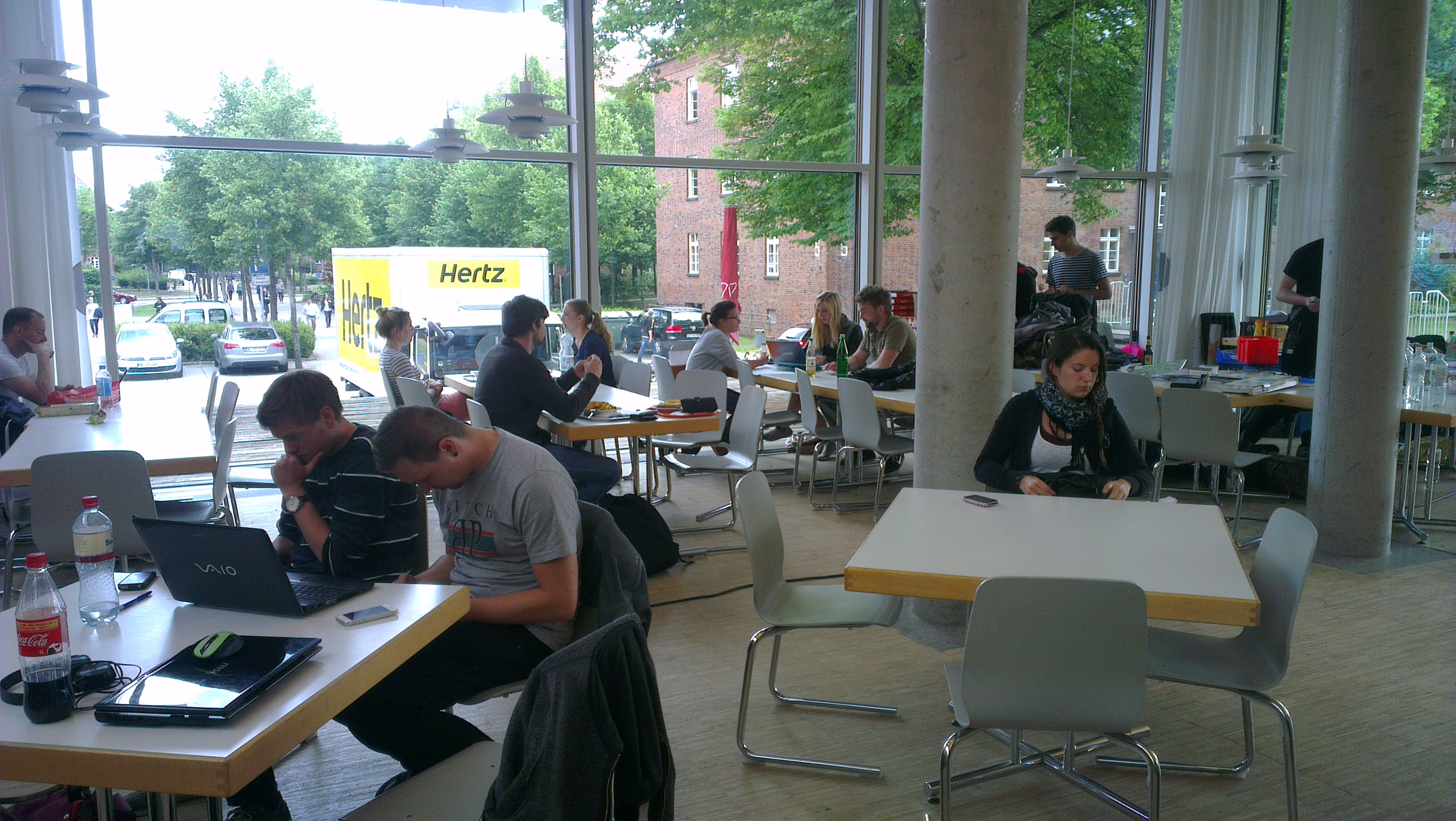
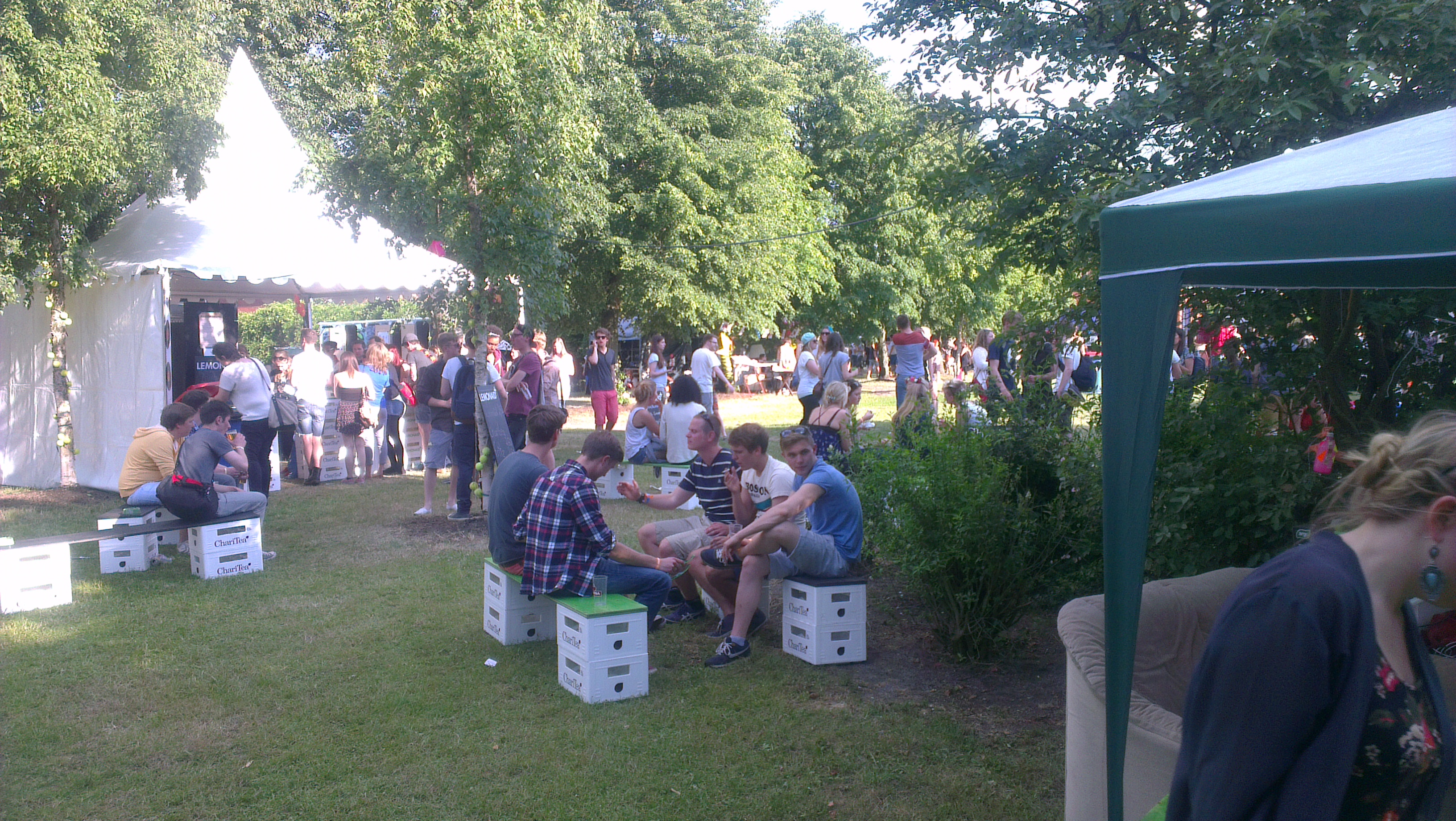
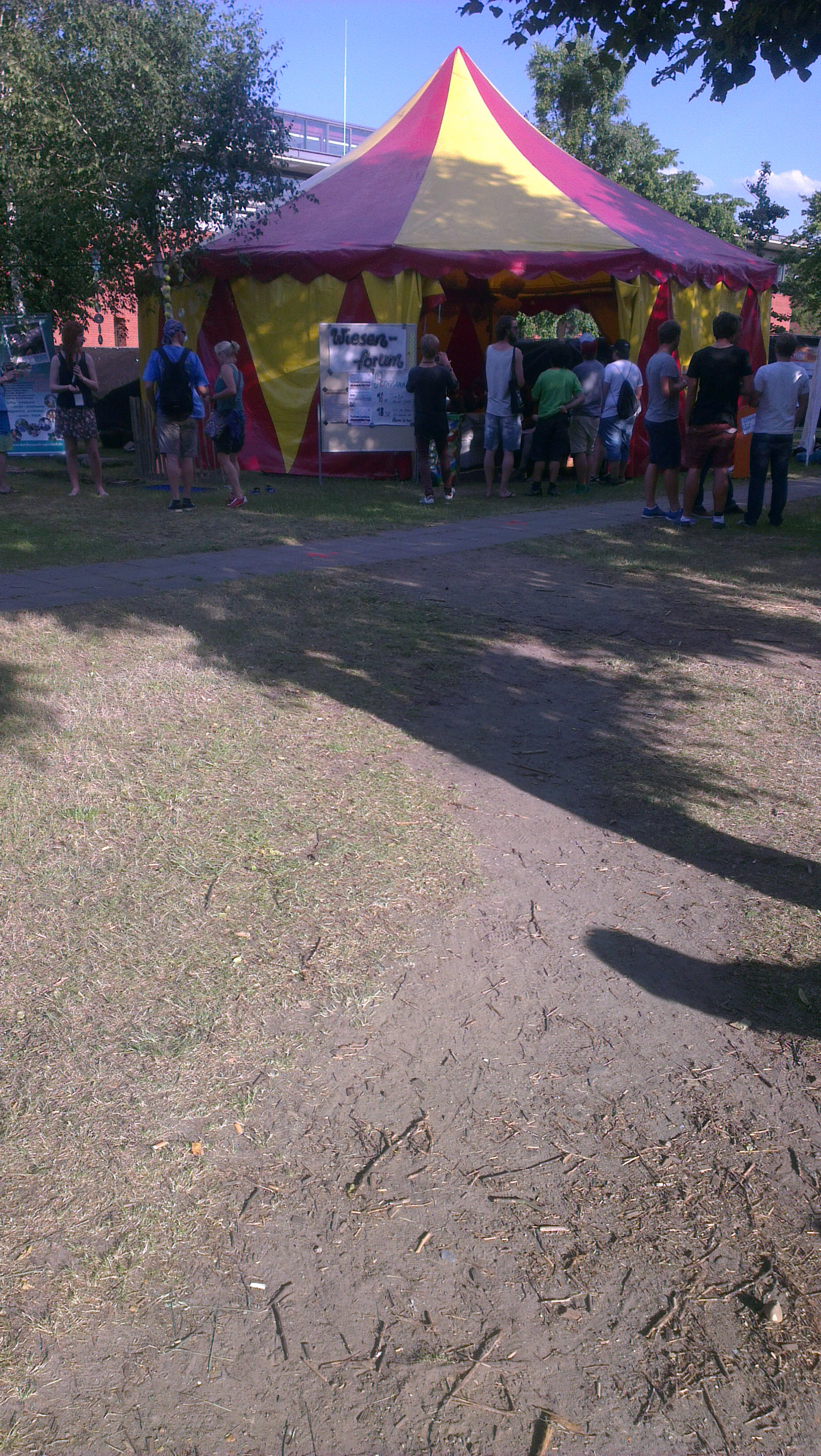
“Haben die gedruckte Zeitung und das gedruckte Buch eine Zukunft? Wie gehen Verlage und Redaktionen mit dem digitalen Wandel um? Fragen, über die rund 60 Teilnehmer und Teilnehmerinnen aus der Region Niedersachsen im Rahmen der Veranstaltungsreihe ANALOG im Stadtarchiv Lüneburg diskutierten. Auf Einladung des Innovations-Inkubator Forschungsprojekts Hybrid Publishing Lab am Centre for Digital Cultures trafen sich Fachleute aus allen Bereichen der Medienbranche sowie interessierte Bürgerinnen und Bürger, um sich über die Digitalisierung der Medien auszutauschen, Erfahrungen zu teilen und den Blick für aktuelle Herausforderungen zu schärfen.” (CDC 2014)
Sieh auch video editing server & WikiTV
ifttt
Latest apps for Android and iOS include long overdue ifttt automation suite which will extend the scope for syncronising and managing publicity during the events we have scheduled. So far I can’t see a btsync channel, perhaps we will get one added.
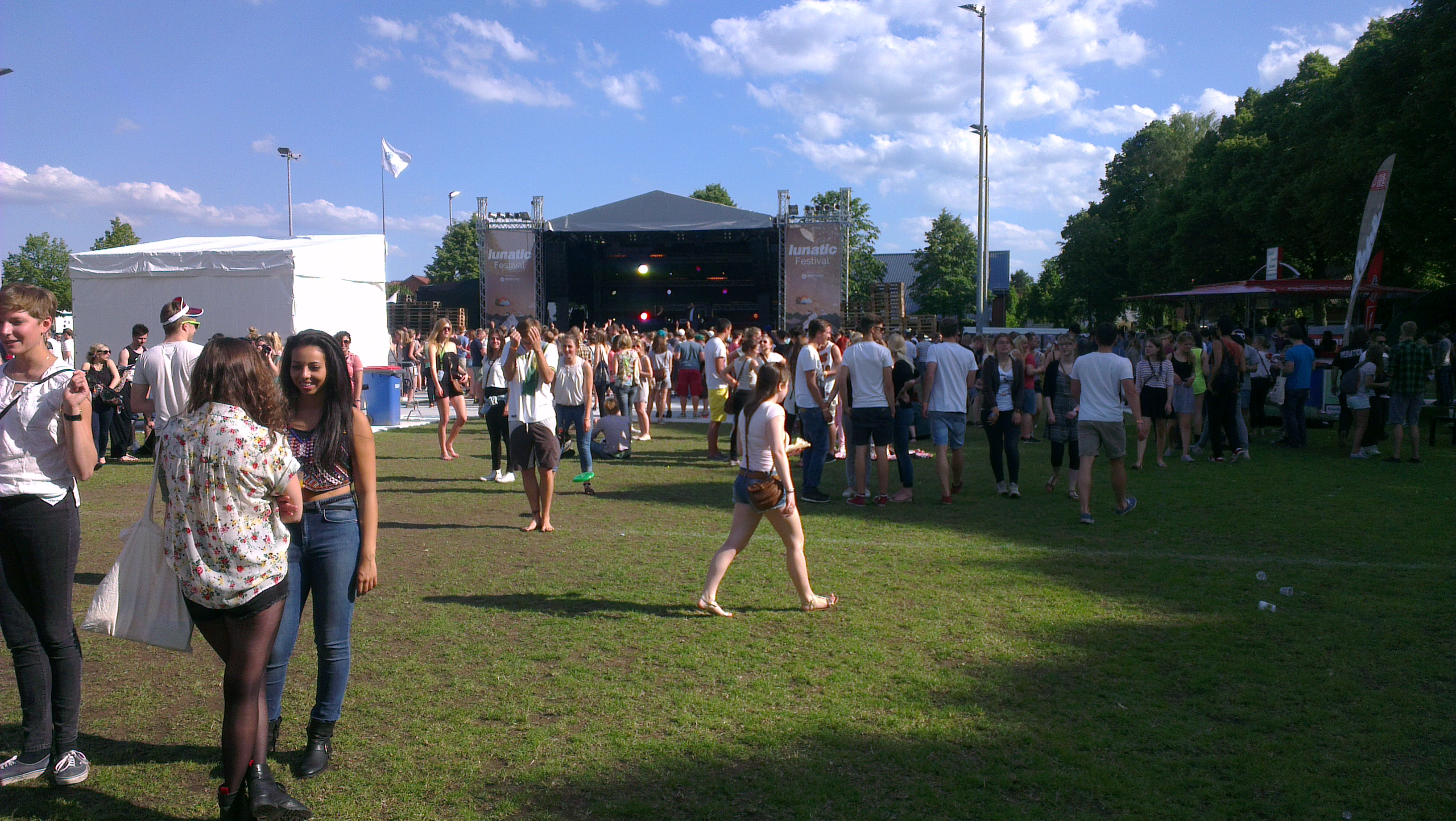
We are using a recipe to trigger a tweet to be displayed whenever a new lunatic makes a badge which displays their resync qrcode. If it works like this I shall be amazed
Analog II
reSync besuchte die Analog II Veranstaltung um das Thema “Kontrolle politischer Macht durch Medien muss sein”. “21. März 2014 Lüneburg. Von prekären Arbeitsbedingungen für hochqualifizierte Journalisten bis zur Verantwortung der EU für die Vielfalt der Lokalzeitungen – auf der Medientagung ANALOG der Leuphana Universität Lüneburg diskutierten rund 100 Medienvertreter und Journalisten am 20. März die Zukunft des Qualitätsjournalismus. Prof. Dr. Däubler-Gmelin sprach sich für die Kontrolle politischer Macht durch die Medien aus.” (CDC 2014)
D-cent event
reSync visited on the 14th of March 2014 d-cent: “D-CENT is a Europe-wide project creating privacy-aware tools and applications for direct democracy and economic empowerment. Together with the citizens and developers, we are creating a decentralised social networking platform for large-scale collaboration and decision-making.” (D-cent 2014)
Nesta announced that: “on March 14th we will host the D-CENT launch event in London at Nesta and we would like to invite you to attend the event and participate in the working group sessions. The event will draw a number of high-level policy makers, academics, activists, civic society organisations, and hackers from the field. Together we will dive into new ways of strengthening citizens’ participation and deliberation in the political process presenting already existing digital tools for open democracy, new frameworks for institutional innovation, and alternative economic models based on complementary currencies and digital crypto currencies.”
Art Meets Radical Openness
Uncovering new truths and making them public as a disruption and criticism of the dominant system has consequences.
Threat scenarios of the digital surveillance state inevitably have palpable effects on our lives and actions. Access to information, infrastructure and technology, which is especially important for activists in repressive regimes up to the present, has become a widely discussed issue since Snowden’s disclosures at the latest, because now a broad mass of people in democratically governed states see their “privacy” endangered. Independence, confidence and freedom are massively put to the test.
Artists, hacktivists, cultural producers, journalists, software developers and idealists, in short creative actors with a desire for change increasingly find themselves in uncertain territory. Which methods and alternative tools can be used to generate new views of everyday life, work, money, politics and the environment, and to instigate a new cultural practice, to impel civil society processes, without them being nipped in the bud?
How do creative actors contribute to the process of change and which new forms of cooperation do they enter into?
# Program # AMRO Showcase # Speakers
Contributers:
Klau Kinki/ES; !Mediengruppe Bitnik/CH; Adnan Hadzi/CH/UK; Aleš Hieng, SLO; André Castro/ES; Andreas Zingerle/A; Anne Roth/DE; Dennis de Bel/NL; Roelof Roscam Abbing/NL; Dominik Leitner/A; Donna Metzlar/NL; Femke Snelting/NL; Franz Xaver/A; Heath Bunting/UK; Inari Wishiki/UK; Jakub Pišek/CZ; James Bridle/UK; James Stevens/UK; Jonathan Kemp/UK; Karlessi/IT; Konrad Becker/A; Larisa Blazic/SRB/UK; Linda Kronman/FIN/A; Lizvlx/A; Lonneke van der Velden/NL; Marc Garrett/UK; Marek Tuszynski/ Margarita Köhl/A; Martino Morandi/IT; Marie Polakova/CZ/A; Michael Schweiger/A; Nathaniel Tkacz; Niek Hilkmann/NL; Renfah/A; Robertina Šebjanič/SLO; Roelof Roscam Abbing/NL; Selena Savić/CH; Taro the cook/A; Tatiana Bazzichelli/IT; Valie Djordjevic/DE; Veronika Krenn/A; Vesela Mihaylova; Victor Diaz/ES; waiwai; Wolfgang Spahn/DE; Yoana Buzova/NL; Reni Hofmüller/A, Jogi Hofmüller/A; u.v.a
Afterglow – art hack day
reSync visited transmediale 14: afterglow’s art hack day: “Afterglow” is a collaboration between Art Hack Day, LEAP Berlin and transmediale. As coders we fear the ‘legacy’ system, a piece of old junk we haven’t yet figured out how to throw away. As artists, we’re tempted by prolific outbursts of freshness and novelty; more art of less value. Businesses and government crave more data, more connections, more context. By embracing these impulses without contemplation we perpetuate the technological hype cycle and unintentionally shorten the half-life of our artefacts. Technology has become akin to a natural resource, generating physical and immaterial waste that is appropriated in such diverse contexts as e-garbage dumps, big data businesses and mass surveillance schemes. As such, trash is no longer what is just left behind but is central to our post-digital lives. When digital detritus piles up it decomposes, giving rise to a post-digital afterglow with the potential for new expression and new enterprise. Can we make peace with our excessive data flows and their inevitable obsolescence? Can we find nourishment in waste, overflow and excess? Can the afterglow of perpetual decay illuminate us?” (Art Hack Day 2014)
Taking care of things
 From the 15th till the 18th of January we participated in the Taking Care of Things Meeting at the Stadtarchiv Lüneburg Germany. This was also the closing event for the Post Media Lab Incubator project at Leuphana University and our research fellowship with them.
The visit began with a tour of the city archive during which we heard about the main activities of the institution not least the film, map and image collections. They wish to extend access to these via street access sync points in the near future.
 We convened one of seven care groups Mesh Media! to look at open, collaborative systems that facilitate collective abilities to store, curate, share, edit, redistribute and re-purpose media while at the same time creating new frames of reference and practice in public. We were pleased to have presentations by Eric Kluitenberg of Tactical Media Files, Volker Grassmuck and Jan Torge of ‘InternetTV for the newMedia Generation’ Grundversorgung, open wireless network advocates Freifunk Lueneburg and Robert Ochshorn with Interlace. (See last section for more details..)
 Media was selected from the respective archives and uploaded to publicly presented syncronisation points adjacent to each Freifunk node in Lueneburg city centre.
 We produced a map to illustrate the locations of syncronisation points as a data trail which was toured by a small group of Lueneburg locals. They were encouraged to scan the QRcode posters and NFC tags they found on the street first connecting to Freifunk wireless then activating the BTsync to distribute the images and films.
Please try these BTsyncs yourself 1|2|3|4|5|6|7|8|9|10|11|12 – or get the set! confused ? see the howTo..
 The post-medial is not tied to any particular modality of media, neither to “new” or “old”, “digital” or “analog”, nor to “connected” or “offline”. Nevertheless it relies on new medial affordances (what? affordances! :-)) and possibilities, allowing for new kinds of collective repositories and living archives. How can these new collecitve, transitory and ad-hoc repositories of ‘many media’ look like? What are their (possible) protocols of turning consumers into makers, individuals into groups, and media into structured, living and meaningful (micro-)social memory? What are possible assemblages that withstand idiosyncrasy and expert-ism, but are ‘avant-garde’ and progressive in form and function nevertheless?
_object/ive (for ‘Parliament of Things’)…?!
_Schedule
16th January morning: Introduction
- 10:30 – 12:30: Introduction of people and workshops + overall choreography *For this we ask you to bring and present an object (any kind of object) that you relate to, care about and are willing to donate to the archive.*
16th January afternoon: Freifunk & Grundversorgnung present their projects & Freifunk nodes flashing
- 12:30 – 14:00: Lunch
- 14:00 – 15:00: Grundversorgung (CDCvideo.de, online video interview tool, VODO.net, OPD, Poparchiv) & WikiVision
- 15:00 – 16:00: Freifunk presentation
- 16:00 – 18:00: Flashing Freifunk Node & installing them in Lueneburg (10 nodes have been ordered & arrived @ Grundversorgung) // Uploading of materials to an Interlace instance (preparation for Friday afternoon) -> create map of all the freifunk nodes in lueneburg one could walk (for Saturday)
17th January, morning: Interlace & Tactical Media Files presentation
- 10:00 – 11:00: Tactical Media Files: Presentation about archiving as part of a ‘living’ cultural process, which means that it happens also very much outside of the digital, in embodied encounters and ‘lived practices’ (activism, artistic production, and more).
- 11:00 – 12:00: Interlace:
17th January, afternoon:
- 12:00 – 14:00: All together Now! – reviving the legendary ‘Brown Bag’ Session a collective Power-Thought-Exchange-Lunchy-Thing Groups share and receive food and feedback.
- 14:00 – 14:30: Break
- 14:30 – 18:00: Media Mesh: Collaborative editing on Interlace with ‘Tactical Medie Files’ & ‘Lueneburg City Archive’ materials (needs preparation & uploading of materials)
- 21:00 PUBLIC*: Zum Kollektiv, Scharffsches Haus, Heiligengeiststr. 38, 21335 Lüneburg *Screening Things* – an open, partly curated public screening including footage from the Stadtarchiv and works by ‘Taking Care of Things!’ participants
18t January, morning: Start the derive of Lueneburg @ Freiraum
- 11:00 – 12:00: Meeting @ Freiraum, presenation Freiraum & Freifunk
- get bittorrent sync to work on mobile phones
18th January, afternoon: Finish the walk @ city archive, meet up & exchange experiences
- 12:00 – 14:00: walk through Lueneburg, download media from freifunk nodes over bittorrent sync
- 14:00 – 17:00: Meeting @ City Archive */Stadtarchiv/ *Parliament of Things * a public fair and exhibition displaying the results of the two-day workshop intermixed with city archive material—an opportunity for the local public to engage with ‘Taking Care of Things!’ and the Stadtarchiv in a variety of activities igniting & deepening conversations around archives, life-cycles and care.
_Participants
Hauke Winkler: Freifunk Lueneburg // http://wiki.freifunk.net/Freifunk_Lueneburg
James Stevens & Adnan Hadzi: DeckspaceTV // http://www.postmedialab.org/adnan-hadzi-james-stevens
Robert Ochshorn: Interlace // http://web.rmozone.com/ + http://interlace.videovortex9.net/
Eric Kluitenberg: Tactical Media Files / http://www.tacticalmediafiles.net/
Volker Grassmuck and others from Grundversorgung 2.0 (Jan Torge, Kilian, …) (http://digitale-grundversorgung.de/): WikiVision // http://www.wikivision.eu/
- is a media sociologist, free-lance author and activist, has conducted research on the knowledge order of digital media, on copyright and the knowledge commons at Free University Berlin, Tokyo University, Humboldt University Berlin and University of São Paulo and is currently directing the project “Public Service Media 2.0” at the Centre for Digital Cultures (CDC) of Leuphana University Lueneburg. He was project lead of the conference series Wizards-of-OS.org and of the copyright information portal iRights.info, co-founded mikro-berlin.org, privatkopie.net and CompartilhamentoLegal.org and blogs at vgrass.de.
_Keywords
Many Media, kollektive Interface | collective interfaces, Wilde Netzwerke | Wilderness Networks, lokale Übertragung+Speicher | local Transmission+Storage
_Brainstorming
Possible ideas:
– Work with Interlace on the city archives [with Freifunk (http://freifunk-lueneburg.de/) for local media-pickups]
– Work with Freifunk to display site specific (deep-linked) Interlace sections
– Work with Bittorrent Sync (http://www.bittorrent.com/sync) and/or OwnCloud (http://owncloud.org/) to offer the deep-linked media locally
– If we use a NAS @ Deckspace we could use the http://Deckspace.TV container on which Interlace is already running (robert what do you think?)
– we make timecapsules with the archive material -> embedded / injecting meta data into the objects -> share these objects as secrets during the workshop?
– Do a walk/derive on Saturday through Lueneburg, starting from Freiraum (http://www.freiraum-lueneburg.de/), exploring the Freifunk nodes, which are deep-linking into the city archives
Possible actions:
– Install a Freifunk node in the UK @ http://dek.spc.org
– Attach a NAS to the Freifunk node UK
– Thus creating a network between Germany, Sweden, UK (concerning media law & ‘public spheres’ one would have to consider a pan-european publishing network)
– maybe also install a Freifunk node in Switzerland (so to take the network out of the EU juristiction, plus Switzerland has ‘Freedom of Art’ as a constitutional right, see: http://www.unilu.ch/files/kunstbegriffendg.pdf)
– Order 10 Freifunk Nodes – done (Volker)
– Rent small Freiraum room for Saturday morning (two hours) -> budget?
– Flash around 10 nodes during the workshop & install them in Lueneburg (see instructions here: http://wiki.freifunk.net/Freifunk_Lueneburg )
_Freifunk places that are linked:
– Freiraum / Salon Hansen
– Post Media Lab / CDC / Grundversorgung
_Freifunk places to link:
– Stadtarchive
– Anna & Arthur
– Pons bar
– Hausbar
– Apothekenstr
– Cinema Scala
– Jekyl & Hide
– Cafe fleur
– Zum Kollektiv
– Nina home
(see the map above for final list)
_some more links/stuff
– the silent university http://thesilentuniversity.org/
– public library project http://www.memoryoftheworld.org/public-library/
– videovortex interlace http://vortex.inter.numm.org/
– dayanita singh’s archive project: http://www.deutscher-pavillon.org/2013/en/category/dayanita-singh/
– official announcement: http://www.postmedialab.org/taking-care-of-things
_Official Schedule
PROGRAM_January 15-18__Taking Care of Things!_
organized by Post-Media Lab, Habits of Living; in cooperation with Stadtarchiv
Lüneburg
_Wednesday, Jan 15 PUBLIC_
*18:00*
Oliver Lerone Schultz: ‘Intersecting Cycles – A Welcome to a kind of Goodbye’
Nishant Shah: ‘Laying the Grounds – Archives, Life-Cycles, Care’
*18:30*
Kelly Dobson: ‘Why It Matters The Way Things Break’
– introduced by WendyChun
*19:30*
‘Published Things’ – a temporarily installed Public Library offering the first
charge of Post-Media Lab publications. Bring your own devices to download them live!
– Hosted by Clemens Apprich and Marcell Mars
_Thursday, Jan 16 INTERNAL_
*10:00 – 10:30*
‘Opening Up the Archive’: Stadtarchiv Lüneburg – A guided Tour by Danny Kolbe
(Stadtarchiv)
*10:30 – 12:30*
Introduction of people and workshops + overall choreography*For this we ask you to bring and present an object (any kind of object) that
you relate to, care about and are willing to donate to the archive.*
*12:30 – 14:00*
Lunch
*14:00 – 18:00*
6 Care Groups (workshop time)
*19:00*
Group Dinner at a local brewerie (Mälzer)
_Friday, Jan 17 INTERNAL_
*09:30 – 12:00*
6 Care Groups (workshop time)
*12:00 – 14:00*
All together Now! – reviving the legendary ‘Brown Bag’ Session
a collective Power-Thought-Exchange-Lunchy-Thing
Groups share and receive food and feedback.
*14:00 – 14:30 Fresh air & coffee*
*14:30 – till Brooklyn!*
6 Care Groups (workshop time)
*21:00 PUBLIC*
Zum Kollektiv, Scharffsches Haus, Heiligengeiststr. 38, 21335 Lüneburg*Screening Things*
an open, partly curated public screening including footage from the Stadtarchiv
and works by ‘Taking Care of Things!’ participants
_Saturday, Jan 18 INTERNAL_
*until 13:00*
Set-up ‘Parliament of Things’
*13:00 – 17:00 */Stadtarchiv/
*Parliament of Things *
a public fair and exhibition displaying the results of the two-day workshop
intermixed with city archive material—an opportunity for the local public to
engage with ‘Taking Care of Things!’ and the Stadtarchiv in a variety of
activities igniting & deepening conversations around archives, life-cycles and care.
_Sunday, Jan 19_
*10:00*
Breakfast for those still in town.
updates under: http://postmedialab.org/taking-care-of-things
Art @ 30C3
This year the Chaos Communication Conference hosted a stream on ‘art & beauty’ where !Mediengruppe Bitink presented Hacking as Artistic Practice (see video) and Robert Ochshorn presented Against Metadata (see video).
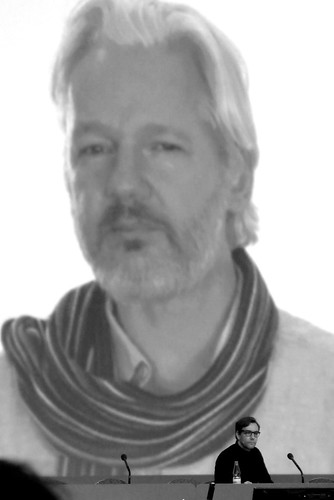 We briefly had a chance to brainstorm how to work with Interlace for the Media Mesh workshop at the Taking Care of Things event in January. Julian Assange spoke over a video link on Sysadmins of the world, unite! (see video).
Other highlights of the art stream were:
Hello World!
The philosophy of hacking
The Pirate Cinema
Turing Complete UserAnonymity and Privacy in Public Space and on the Internet
Forbidden Fruit
Seidenstrasse
Do You Think That’s Funny?
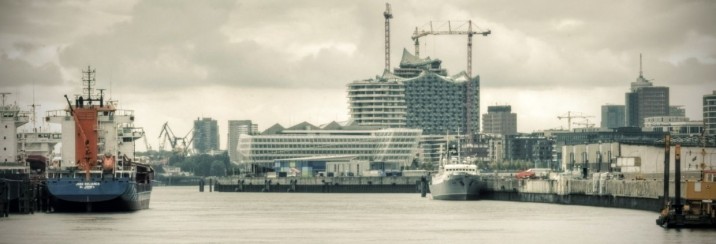
We met old friends on the stubnitz and at the noisy square party.
Taking care of things
From the 15th till the 18th of January we participated in the Taking Care of Things Meeting at the Stadtarchiv Lüneburg Germany. This was also the closing event for the Post Media Lab Incubator project at Leuphana University and our research fellowship with them. See the documentation here.
The visit began with a tour of the city archive during which we heard about the main activities of the institution not least the film, map and image collections. They wish to extend access to these via street access sync points in the near future.
We convened one of seven care groups Mesh Media! to look at open, collaborative systems that facilitate collective abilities to store, curate, share, edit, redistribute and re-purpose media while at the same time creating new frames of reference and practice in public. We were pleased to have presentations by Eric Kluitenberg of Tactical Media Files, Volker Grassmuck and Jan Torge of ‘InternetTV for the newMedia Generation’ Grundversorgung, open wireless network advocates Freifunk Lueneburg and Robert Ochshorn with Interlace. (See last section for more details..)
Media was selected from the respective archives and uploaded to publicly presented syncronisation points adjacent to each Freifunk node in Lueneburg city centre.
We produced a map to illustrate the locations of syncronisation points as a data trail which was toured by a small group of Lueneburg locals. They were encouraged to scan the QRcode posters and NFC tags they found on the street first connecting to Freifunk wireless then activating the BTsync to distribute the images and films.
Please try these BTsyncs yourself 1|2|3|4|5|6|7|8|9|10|11|12 – or get the set! confused ? see the howTo..
The post-medial is not tied to any particular modality of media, neither to “new” or “old”, “digital” or “analog”, nor to “connected” or “offline”. Nevertheless it relies on new medial affordances (what? affordances! :-)) and possibilities, allowing for new kinds of collective repositories and living archives. How can these new collecitve, transitory and ad-hoc repositories of ‘many media’ look like? What are their (possible) protocols of turning consumers into makers, individuals into groups, and media into structured, living and meaningful (micro-)social memory? What are possible assemblages that withstand idiosyncrasy and expert-ism, but are ‘avant-garde’ and progressive in form and function nevertheless?
_object/ive (for ‘Parliament of Things’)…?!
_Schedule
16th January morning: Introduction
- 10:30 – 12:30: Introduction of people and workshops + overall choreography *For this we ask you to bring and present an object (any kind of object) that you relate to, care about and are willing to donate to the archive.*
16th January afternoon: Freifunk & Grundversorgnung present their projects & Freifunk nodes flashing
- 12:30 – 14:00: Lunch
- 14:00 – 15:00: Grundversorgung (CDCvideo.de, online video interview tool, VODO.net, OPD, Poparchiv) & WikiVision
- 15:00 – 16:00: Freifunk presentation
- 16:00 – 18:00: Flashing Freifunk Node & installing them in Lueneburg (10 nodes have been ordered & arrived @ Grundversorgung) // Uploading of materials to an Interlace instance (preparation for Friday afternoon) -> create map of all the freifunk nodes in lueneburg one could walk (for Saturday)
17th January, morning: Interlace & Tactical Media Files presentation
- 10:00 – 11:00: Tactical Media Files: Presentation about archiving as part of a ‘living’ cultural process, which means that it happens also very much outside of the digital, in embodied encounters and ‘lived practices’ (activism, artistic production, and more).
- 11:00 – 12:00: Interlace:
17th January, afternoon:
- 12:00 – 14:00: All together Now! – reviving the legendary ‘Brown Bag’ Session a collective Power-Thought-Exchange-Lunchy-Thing Groups share and receive food and feedback.
- 14:00 – 14:30: Break
- 14:30 – 18:00: Media Mesh: Collaborative editing on Interlace with ‘Tactical Medie Files’ & ‘Lueneburg City Archive’ materials (needs preparation & uploading of materials)
- 21:00 PUBLIC*: Zum Kollektiv, Scharffsches Haus, Heiligengeiststr. 38, 21335 Lüneburg *Screening Things* – an open, partly curated public screening including footage from the Stadtarchiv and works by ‘Taking Care of Things!’ participants
18t January, morning: Start the derive of Lueneburg @ Freiraum
- 11:00 – 12:00: Meeting @ Freiraum, presenation Freiraum & Freifunk
- get bittorrent sync to work on mobile phones
18th January, afternoon: Finish the walk @ city archive, meet up & exchange experiences
- 12:00 – 14:00: walk through Lueneburg, download media from freifunk nodes over bittorrent sync
- 14:00 – 17:00: Meeting @ City Archive */Stadtarchiv/ *Parliament of Things * a public fair and exhibition displaying the results of the two-day workshop intermixed with city archive material—an opportunity for the local public to engage with ‘Taking Care of Things!’ and the Stadtarchiv in a variety of activities igniting & deepening conversations around archives, life-cycles and care.
_Participants
Hauke Winkler: Freifunk Lueneburg // http://wiki.freifunk.net/Freifunk_Lueneburg
James Stevens & Adnan Hadzi: DeckspaceTV // http://www.postmedialab.org/adnan-hadzi-james-stevens
Robert Ochshorn: Interlace // http://web.rmozone.com/ + http://interlace.videovortex9.net/
Eric Kluitenberg: Tactical Media Files / http://www.tacticalmediafiles.net/
Volker Grassmuck and others from Grundversorgung 2.0 (Jan Torge, Kilian, …) (http://digitale-grundversorgung.de/): WikiVision // http://www.wikivision.eu/
- is a media sociologist, free-lance author and activist, has conducted research on the knowledge order of digital media, on copyright and the knowledge commons at Free University Berlin, Tokyo University, Humboldt University Berlin and University of São Paulo and is currently directing the project “Public Service Media 2.0″ at the Centre for Digital Cultures (CDC) of Leuphana University Lueneburg. He was project lead of the conference series Wizards-of-OS.org and of the copyright information portal iRights.info, co-founded mikro-berlin.org, privatkopie.net and CompartilhamentoLegal.org and blogs at vgrass.de.
_Keywords
Many Media, kollektive Interface | collective interfaces, Wilde Netzwerke | Wilderness Networks, lokale Übertragung+Speicher | local Transmission+Storage
_Brainstorming
Possible ideas:
– Work with Interlace on the city archives [with Freifunk (http://freifunk-lueneburg.de/) for local media-pickups]
– Work with Freifunk to display site specific (deep-linked) Interlace sections
– Work with Bittorrent Sync (http://www.bittorrent.com/sync) and/or OwnCloud (http://owncloud.org/) to offer the deep-linked media locally
– If we use a NAS @ Deckspace we could use the http://Deckspace.TV container on which Interlace is already running (robert what do you think?)
– we make timecapsules with the archive material -> embedded / injecting meta data into the objects -> share these objects as secrets during the workshop?
– Do a walk/derive on Saturday through Lueneburg, starting from Freiraum (http://www.freiraum-lueneburg.de/), exploring the Freifunk nodes, which are deep-linking into the city archives
Possible actions:
– Install a Freifunk node in the UK @ http://dek.spc.org
– Attach a NAS to the Freifunk node UK
– Thus creating a network between Germany, Sweden, UK (concerning media law & ‘public spheres’ one would have to consider a pan-european publishing network)
– maybe also install a Freifunk node in Switzerland (so to take the network out of the EU juristiction, plus Switzerland has ‘Freedom of Art’ as a constitutional right, see: http://www.unilu.ch/files/kunstbegriffendg.pdf)
– Order 10 Freifunk Nodes – done (Volker)
– Rent small Freiraum room for Saturday morning (two hours) -> budget?
– Flash around 10 nodes during the workshop & install them in Lueneburg (see instructions here: http://wiki.freifunk.net/Freifunk_Lueneburg )
_Freifunk places that are linked:
– Freiraum / Salon Hansen
– Post Media Lab / CDC / Grundversorgung
_Freifunk places to link:
– Stadtarchive
– Anna & Arthur
– Pons bar
– Hausbar
– Apothekenstr
– Cinema Scala
– Jekyl & Hide
– Cafe fleur
– Zum Kollektiv
– Nina home
(see the map above for final list)
_some more links/stuff
– the silent university http://thesilentuniversity.org/
– public library project http://www.memoryoftheworld.org/public-library/
– videovortex interlace http://vortex.inter.numm.org/
– dayanita singh’s archive project: http://www.deutscher-pavillon.org/2013/en/category/dayanita-singh/
– official announcement: http://www.postmedialab.org/taking-care-of-things
_Official Schedule
PROGRAM_January 15-18__Taking Care of Things!_
organized by Post-Media Lab, Habits of Living; in cooperation with Stadtarchiv
Lüneburg
_Wednesday, Jan 15 PUBLIC_
*18:00*
Oliver Lerone Schultz: ‘Intersecting Cycles – A Welcome to a kind of Goodbye’
Nishant Shah: ‘Laying the Grounds – Archives, Life-Cycles, Care’
*18:30*
Kelly Dobson: ‘Why It Matters The Way Things Break’
– introduced by WendyChun
*19:30*
‘Published Things’ – a temporarily installed Public Library offering the first
charge of Post-Media Lab publications. Bring your own devices to download them live!
– Hosted by Clemens Apprich and Marcell Mars
_Thursday, Jan 16 INTERNAL_
*10:00 – 10:30*
‘Opening Up the Archive’: Stadtarchiv Lüneburg – A guided Tour by Danny Kolbe
(Stadtarchiv)
*10:30 – 12:30*
Introduction of people and workshops + overall choreography*For this we ask you to bring and present an object (any kind of object) that
you relate to, care about and are willing to donate to the archive.*
*12:30 – 14:00*
Lunch
*14:00 – 18:00*
6 Care Groups (workshop time)
*19:00*
Group Dinner at a local brewerie (Mälzer)
_Friday, Jan 17 INTERNAL_
*09:30 – 12:00*
6 Care Groups (workshop time)
*12:00 – 14:00*
All together Now! – reviving the legendary ‘Brown Bag’ Session
a collective Power-Thought-Exchange-Lunchy-Thing
Groups share and receive food and feedback.
*14:00 – 14:30 Fresh air & coffee*
*14:30 – till Brooklyn!*
6 Care Groups (workshop time)
*21:00 PUBLIC*
Zum Kollektiv, Scharffsches Haus, Heiligengeiststr. 38, 21335 Lüneburg*Screening Things*
an open, partly curated public screening including footage from the Stadtarchiv
and works by ‘Taking Care of Things!’ participants
_Saturday, Jan 18 INTERNAL_
*until 13:00*
Set-up ‘Parliament of Things’
*13:00 – 17:00 */Stadtarchiv/
*Parliament of Things *
a public fair and exhibition displaying the results of the two-day workshop
intermixed with city archive material—an opportunity for the local public to
engage with ‘Taking Care of Things!’ and the Stadtarchiv in a variety of
activities igniting & deepening conversations around archives, life-cycles and care.
_Sunday, Jan 19_
*10:00*
Breakfast for those still in town.
updates under: http://postmedialab.org/taking-care-of-things